
Key Takeaways
- A dental assisting diploma in Canada covers coursework, chairside support, patient care, and sterilization of instruments.
- Online learning pairs with in-person clinical training days in Calgary.
- Look for programs accredited by the Commission on Dental Accreditation of Canada.
- After you graduate, extra modules like orthodontic module training help you grow your skills.
- Distance dental education gives rural and remote students flexible access.
Choosing a new career takes real thought, and you want to know what you’re getting into before you apply. At Risio Institute for Digital Dental Education, you can explore an accredited dental assisting program that blends online study with in-person clinical practice.
Before you apply to dental assisting school, you should know the coursework you’ll cover, the accreditation standards to check, how clinical training works, and the licensing rules in your province.
What a Dental Assisting Diploma in Canada Covers
You want to know what you’ll actually learn before you sign up. A dental assisting diploma in Canada blends classroom knowledge with hands-on skills you can use right away in a dental practice.
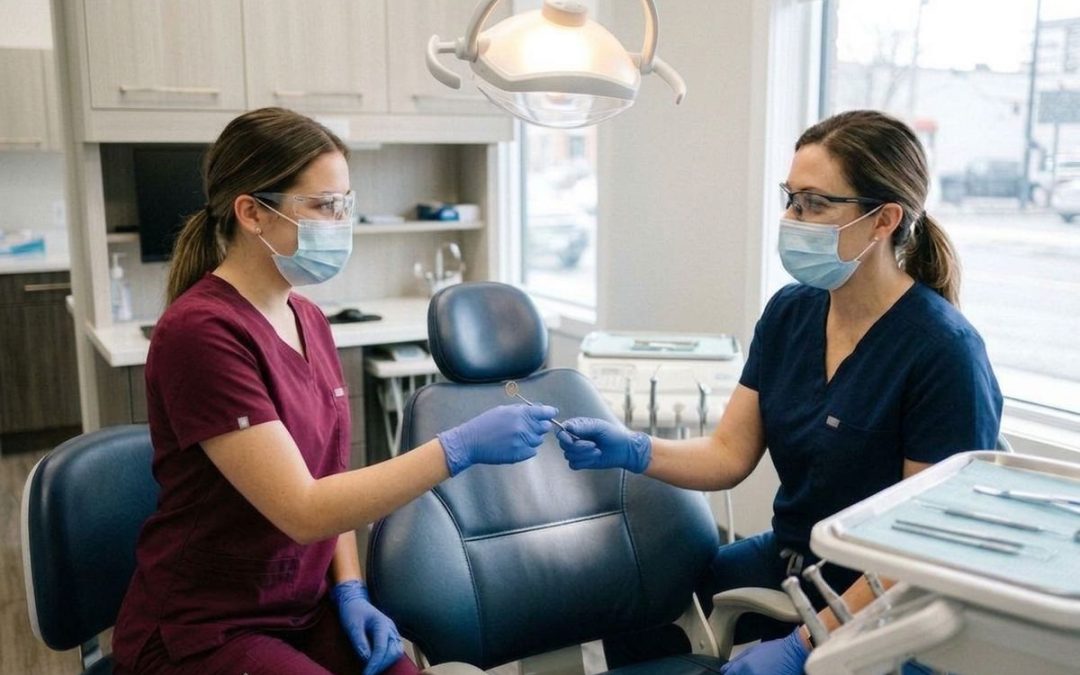
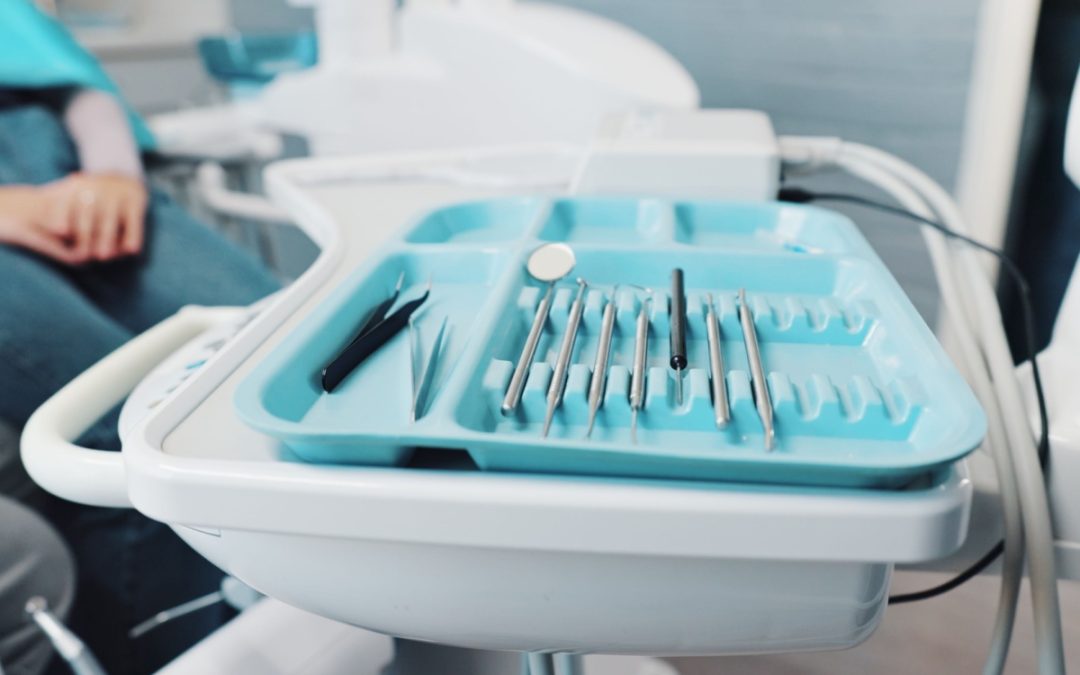
You’ll study how to support the dentist during procedures, keep patients comfortable, and pass instruments smoothly. You’ll also learn sterilization practices, so every instrument is clean and ready for the next patient. These skills form the daily rhythm of a dental assistant’s job.
How Online Learning & Clinical Training Work Together
Distance dental education across Canada lets you build knowledge from home before you step into a clinic. Here’s how the two pieces fit together.
Online Coursework at Your Pace
You can study around your job, your family, and your day-to-day life. Online coursework lets you read, watch, and complete lessons when the time works for you.
For students in rural or remote areas, this means you can learn without relocating. You log in, work through the material, and move forward at a pace that fits your schedule.
In-Person Clinical Training Days
Reading about a procedure is one thing. Practicing it is another.
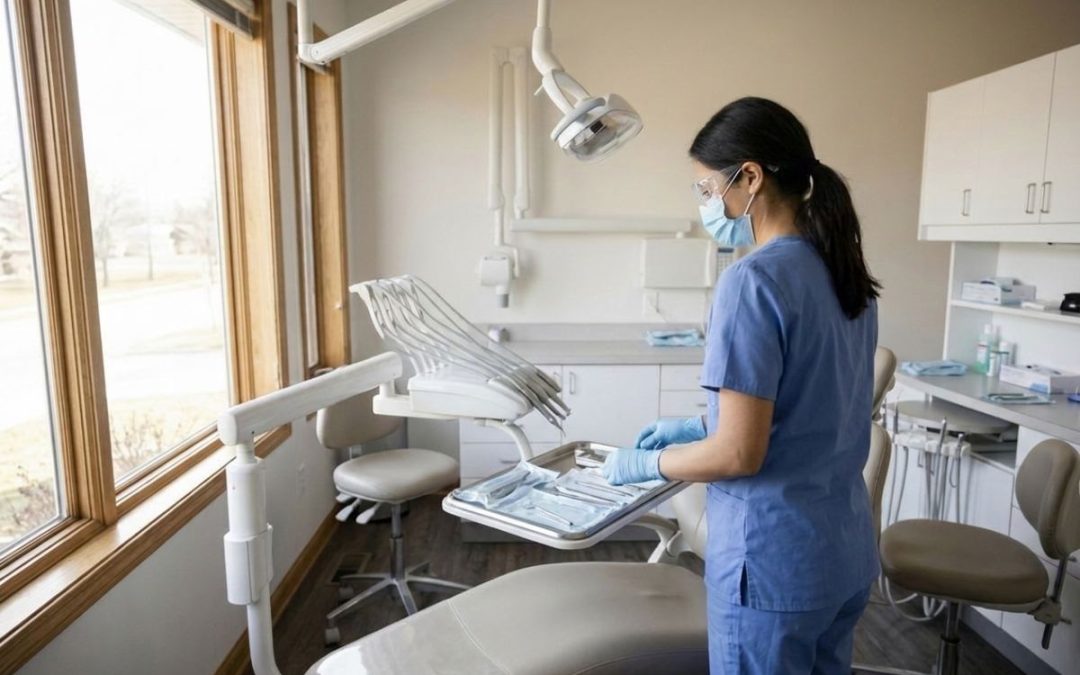
Clinical training days in Calgary give you hands-on practice with real patient interaction. You’ll work with instruments, support the team during procedures, and build the muscle memory that comes only from doing the work. These days turn your online knowledge into practical skill.
Accreditation & Licensing Standards to Look For
Before you apply anywhere, check that the program meets national and provincial standards. This protects your time and your future career.
Look for a program accredited by the Commission on Dental Accreditation of Canada. Accreditation shows the coursework and clinical training meet recognized benchmarks for the profession.
Each province also sets its own registration requirements, which decide what you can do on the job once you graduate. In many provinces, that includes passing the National Dental Assisting Examining Board (NDAEB) exam, and Risio’s CDAC-accredited diploma makes graduates eligible to write it. If you’d like to try the field first, a dental aide certification pathway offers a shorter introduction to dental office work. Either way, confirm your province’s requirements before you enrol.

Career Paths & Continuing Education Options
A diploma can open several doors, and you can keep adding to your skills over time.
Roles You Can Pursue
Many graduates step into chairside dental assistant positions, working right beside the dentist during appointments.
You can also support local dental practices that need well-trained assistants. These roles put you at the centre of patient care, helping people feel at ease while the team works.
Extra Modules to Grow Your Skills
Your learning doesn’t have to stop at your diploma. Once you’re a registered dental assistant, you can add specialized training.
Orthodontic module training helps you support patients through braces and related treatments. Continuing education modules let working professionals add new skills without stepping away from their jobs. Each module you complete widens the range of work you can take on.
Is a Dental Assistant Career Change Right for You?
Maybe you’re rethinking your current job. Maybe you want steady work that helps people. A dental assistant career change can fit both.
Adults retraining for a new field often choose this path because it blends flexible study with real clinical practice, and the program qualifies for student loan funding. If you live far from a campus, distance dental education means you can start without moving away from home. You keep your routine while you build toward something new.
Ready to take the first step? Here’s how to begin.
- Review the program details and check the accreditation.
- Confirm the licensing requirements for your province.
- Gather your documents and submit your application.
At Risio Institute for Digital Dental Education, you can pursue a CDAC-accredited dental assisting diploma that combines online coursework with in-person clinical training in Calgary.
Reach out today to learn how you can start your journey toward a dental assisting career.