Key Takeaways
- Orthodontic assistants support orthodontists chairside and may complete delegated laboratory tasks during orthodontic treatment.
- Depending on provincial scope and authorization, duties may include capturing prescribed radiographs, assisting with orthodontic appliances, managing records, and educating patients.
- Orthodontic assisting is dental assisting in a specialized practice setting focused on supporting tooth and bite alignment treatments.
- Risio’s blended distance delivery ortho module combines online coursework with a required in-person clinical training weekend, allowing for quick completion.
You’re thinking about a career change, or maybe you’ve always been drawn to working in oral health. Orthodontic assisting is one of the more hands-on, varied paths in dental care, and it’s more accessible to pursue in Canada than many people realize. Risio Institute for Digital Dental Education offers a blended learning model that makes this career path reachable from virtually anywhere in Canada, and their guide to becoming a dental assistant breaks down exactly what that path looks like from start to finish.
An orthodontic assistant supports the orthodontist during appointments, helps patients understand their care, and may complete delegated clinical, laboratory, and administrative tasks. Exact duties depend on provincial regulations, the assistant’s credentials, workplace policies, and dentist delegation.
The Role of an Orthodontic Assistant
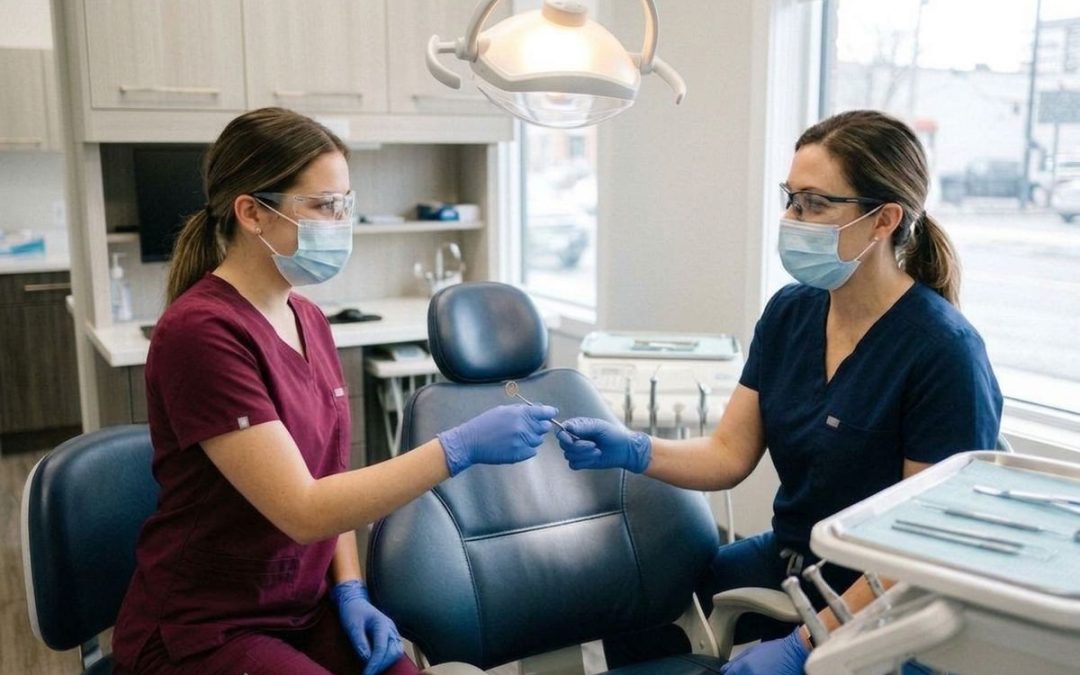
Orthodontic assistants contribute throughout the appointment. They prepare instruments and materials, support the orthodontist chairside, communicate with patients, and may complete delegated laboratory tasks between appointments.
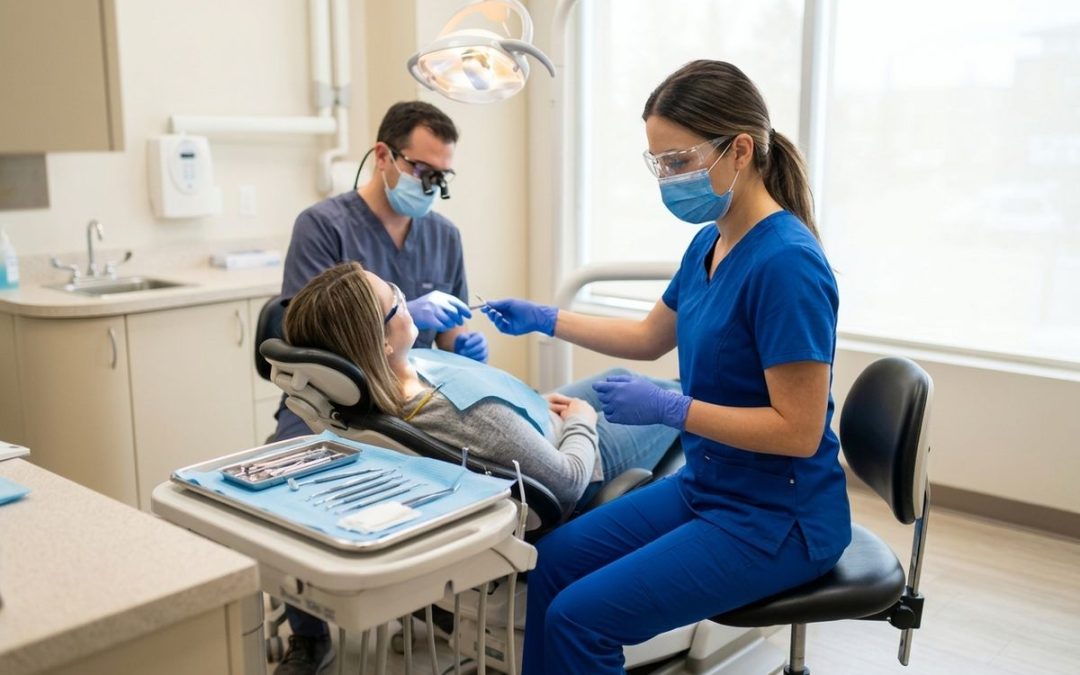
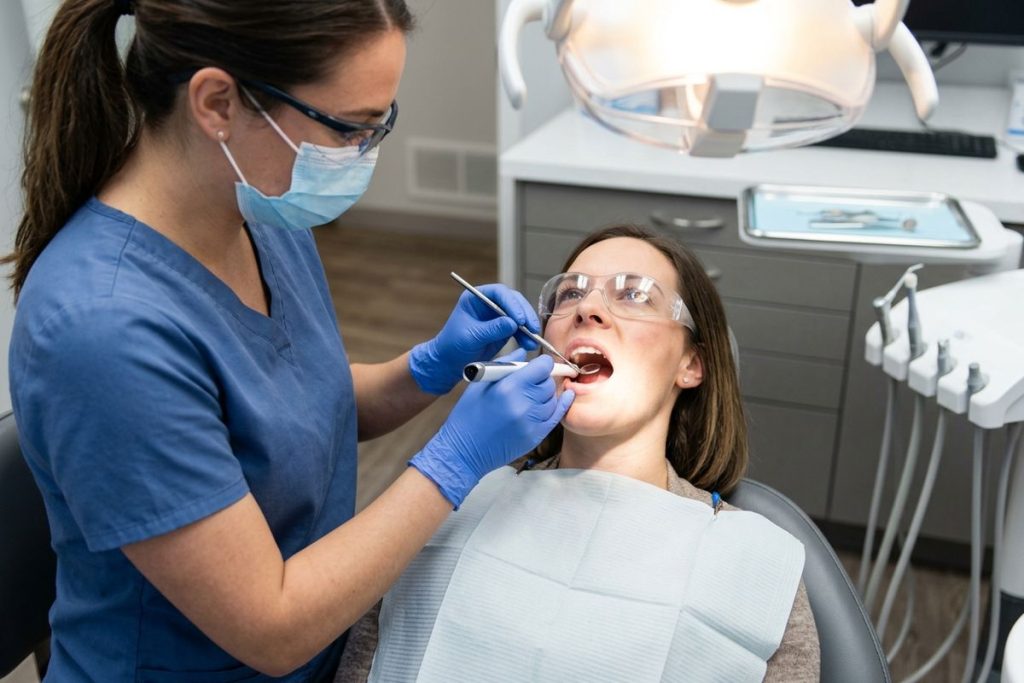
The orthodontist diagnoses conditions and plans treatment, while the dental assistant helps appointments run safely and efficiently. Depending on their training and authorized scope, assistants may prepare the operatory, support procedures, document care, provide approved instructions, and complete delegated laboratory work. The range of orthodontic treatments in modern practices means no two days look exactly the same.
Key Duties & Daily Responsibilities
Clinical Tasks
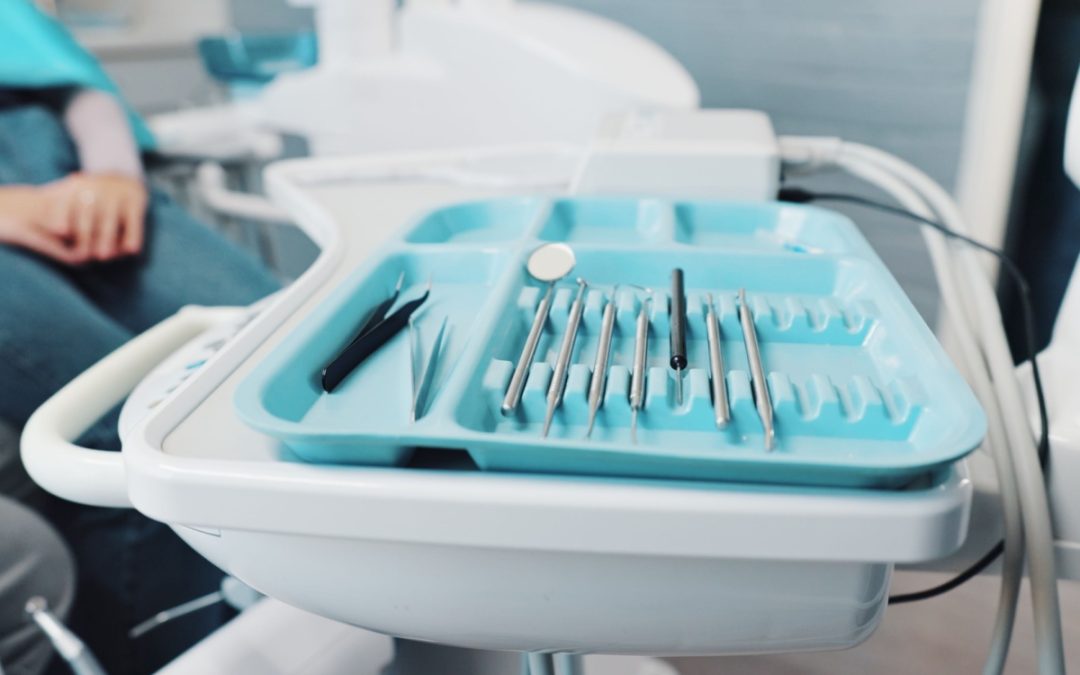
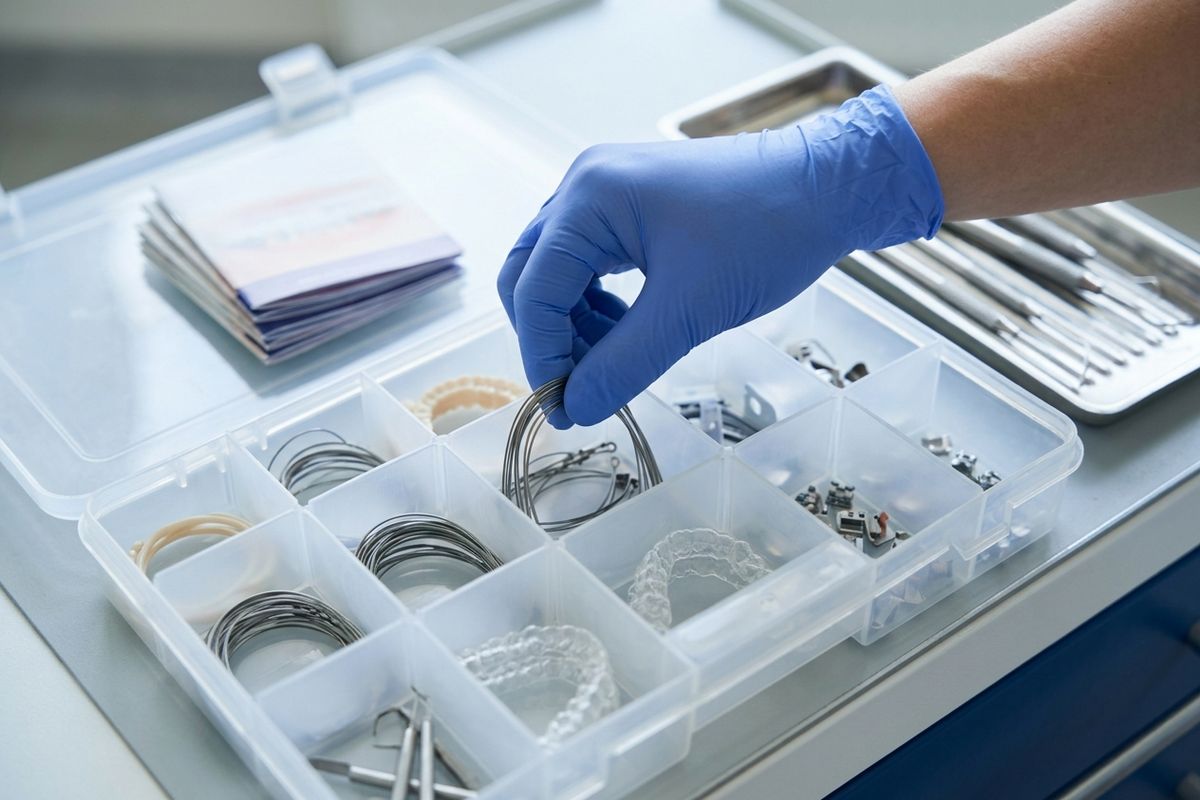
Clinical responsibilities vary by province and authorization. They may include capturing prescribed radiographs and photographs, taking dental impressions or intraoral scans, preparing instruments and materials, and assisting the orthodontist during bracket bonding, archwire changes, or appliance delivery. Infection prevention also includes cleaning, packaging, sterilizing, and storing reusable instruments according to established protocols.
- Capture prescribed radiographs, photographs, dental impressions, or intraoral scans where authorized
- Prepare instruments and materials and assist during bracket bonding, archwire changes, and appliance delivery
- Clean, package, sterilize, and store reusable instruments according to infection-prevention protocols
Administrative & Patient Support
Depending on the practice, duties may also include organizing schedules and records, coordinating laboratory cases, and helping patients understand their treatment. Patient education can include explaining how orthodontic treatment works so patients feel informed and confident throughout the process.
- Help schedule appointments and keep patient records accurate and up to date
- Assist with billing and insurance information
- Reinforce approved at-home oral care instructions for braces or aligners
Dental Assisting in an Orthodontic Practice
Different Focus Areas
General dental assistants may support restorative, preventive, surgical, and other procedures within their authorized scope. In an orthodontic practice, dental assistants focus on supporting tooth and bite alignment treatments involving braces, aligners, retainers, and other appliances. Patients often return over months or years, allowing assistants to build ongoing relationships with them. Common bite and alignment issues, like those covered in this overview of seven bite problems, give you a clearer picture of the conditions you’d be helping to treat every day.
Delegated Clinical and Laboratory Responsibilities
Depending on provincial authorization, training, and workplace policies, dental assistants may complete delegated laboratory and clinical tasks such as preparing study models, coordinating laboratory cases, or supporting appliance procedures. If you enjoy taking ownership of detailed work while collaborating closely with the dental team, this setting can be rewarding. The orthodontic module training program at Risio is designed specifically to build that kind of hands-on confidence.
Skills That Help You Succeed in This Role
You don’t need a specific personality type to do this well, but a few traits make a real difference in day-to-day performance.
- Attention to detail, because small errors in impressions or records affect treatment outcomes
- Patience and clear communication, especially with younger patients who are nervous about braces
- Strong organisation, since you’re often managing multiple appointments and tasks at once
These aren’t skills you either have or don’t. They develop over time through training and experience, which is exactly what a solid dental assisting program helps you build. You can also explore videos and articles on dental assistant career insights to get a realistic sense of what day-to-day work looks like before you commit.
How to Become an Orthodontic Assistant in Canada
Steps to Get Started
Requirements vary across Canada, so start by reviewing both program admission criteria and the credential requirements in the province or territory where you plan to work.
- Review admission requirements and the dental-assisting scope of practice in the province or territory where you plan to work
- Complete a recognized Ortho Module
Flexible Training Options for Canadian Students
One of the real barriers to dental education has been location. If you live outside a major city, finding a program near you isn’t always realistic. Distance dental education in Canada has changed that.
Risio Institute for Digital Dental Education offers a blended learning model that combines online coursework with in-person clinical training days in Alberta. You can complete your online dental assisting program from anywhere in Canada and travel for required clinical training rather than relocating for the full program. Risio’s Alberta Dental Assistant Distance Delivery Diploma Program is accredited by the Commission on Dental Accreditation of Canada.
Risio also offers a separate postgraduate orthodontic module training for eligible registered or certified dental assistants seeking additional training in this area.
A career change into dental assisting does not have to mean putting your life on hold. Explore Risio’s dental assisting and postgraduate programs to find a flexible training path that supports your goals.