
Key Takeaways
- Your first year involves a real learning curve, and that’s completely normal
- Daily tasks include clinical support, patient care, and infection control
- Accredited programs blend online coursework with hands-on clinical training in Alberta and Ontario
- Year one challenges are manageable with the right support network
- Advanced modules and specialty training can expand your career after year one
Your First Year as a Dental Assistant
Whether you’re a working parent juggling a full-time job, a career changer leaving a different field, or a rural Canadian who couldn’t access a traditional in-person program, your path into dental assisting starts the same way: walking into a clinic on day one and feeling like everything is unfamiliar. That feeling doesn’t last forever, but knowing what’s ahead can help you feel more prepared.
Your first year as a dental assistant is a mix of building real skills, adjusting to clinical life, and discovering just how much your training has set you up to succeed. Whether you’re coming from a completely different field or you just finished your dental assisting diploma through Risio Institute for Digital Dental Education, this guide walks you through what that first year actually looks like.
Your First Days on the Job
The first few weeks move fast. New routines, unfamiliar instruments, and the rhythm of a busy clinic all hit at once. It’s normal to feel like you’re absorbing more than you can process. Give yourself permission to learn at a steady pace rather than expecting to have everything figured out immediately.
Building rapport with your dental team early makes a big difference. When you show up curious and willing to ask questions, colleagues are more likely to guide you through the clinic’s specific workflows. Every practice does things a little differently, so staying open helps you adapt faster. If you want a closer look at what to expect before your first interview, our guide on dental assistant interview questions can help you walk in ready.
Key Skills You Use Every Day
Clinical & Chair-Side Tasks
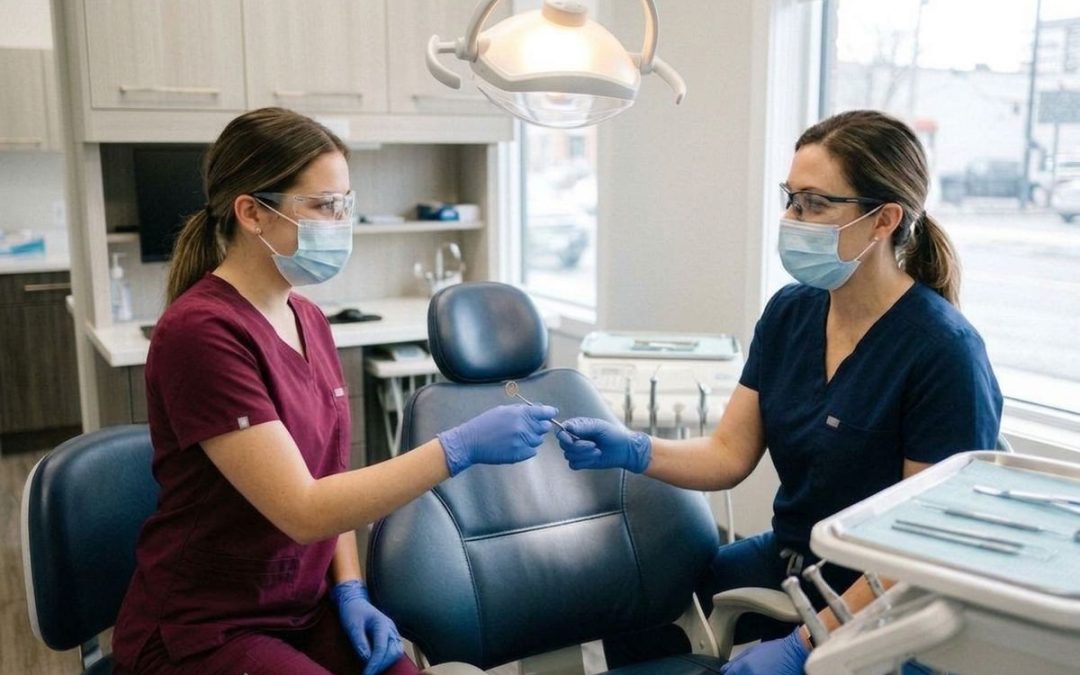
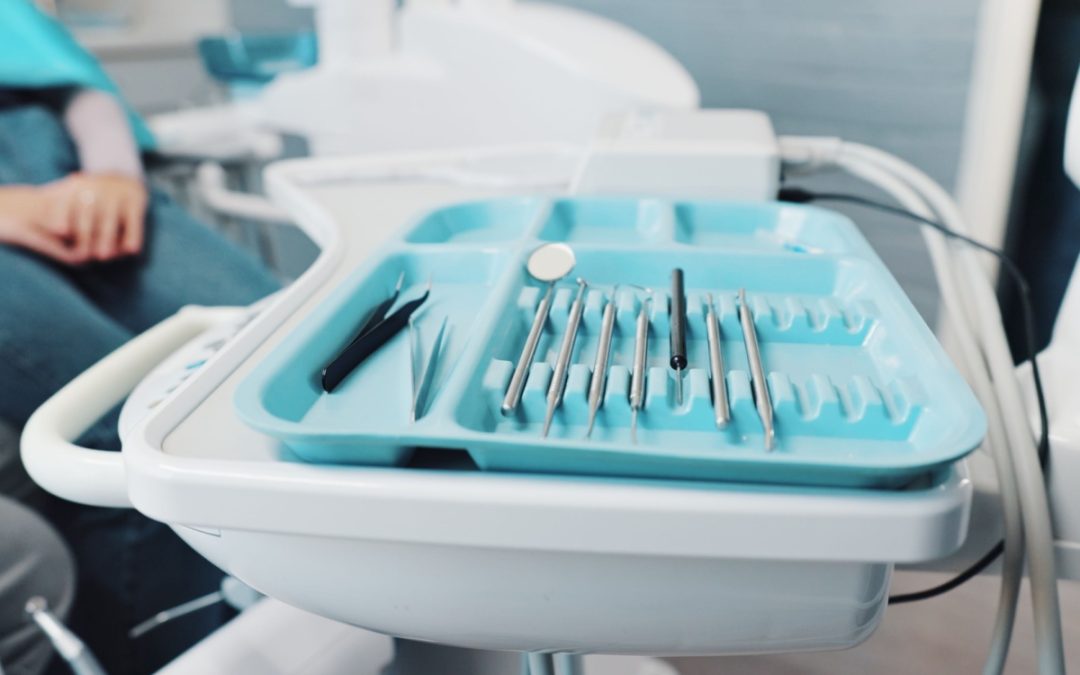
A big part of your day involves preparing treatment rooms, laying out instrument trays, and making sure everything is ready before a patient sits down. You support the dentist during procedures by passing instruments, suctioning, and keeping the work area clear. It sounds straightforward, but getting the timing right takes practice. You’ll also perform the intra-oral skills you learned in your dental assisting program, putting that hands-on training into action with real patients.
Infection control and sterilisation protocols are non-negotiable in any clinic. You’ll follow these procedures multiple times every single day. Getting comfortable with them early means you’re protecting both your patients and yourself, and it builds trust with the rest of the team. You can learn more about how sterilisation roles in dental practices serve as a strong foundation for this kind of work.
Patient Communication & Support
Patients often arrive feeling nervous. A calm, friendly greeting from you can change the entire tone of their visit. You’ll explain simple steps in plain language, answer basic questions, and help them feel at ease before and during their appointment.
Clear communication doesn’t mean saying a lot. It means saying the right things at the right time. A short, reassuring comment while a patient waits for the dentist can go a long way toward making that person feel seen and comfortable. Knowing what patients experience during a routine dental exam can help you prepare them more effectively.
How Your Training Prepares You for Real Work
Online Coursework & Distance Dental Education
An online dental assisting program lets you work through course material at a pace that fits your life. If you’re in a rural or remote part of Canada, distance dental education means you don’t have to uproot your life to access accredited training. You can study from home while still meeting the academic requirements for provincial licensing.
Flexible modules cover the theory behind everything from dental anatomy to infection control. While working in a dental office alongside completing Risio’s Dental Assistant Distance Delivery Program, you will spend hours learning the why behind the tasks you’ll perform every day. Risio’s Dental Assistant Distance Delivery Diploma is accredited by the Commission on Dental Accreditation of Canada (CDAC), so the credentials you earn are recognized by employers across the country.

In-Person Clinical Training Days
Hands-on clinical training for dental assisting takes place in Alberta, giving you real practice in a dedicated learning environment. You work with actual instruments in a real clinical setting, not just simulations. That experience bridges the gap between knowing something in theory and actually doing it with confidence.
These sessions let you get feedback from qualified instructors in the moment, which speeds up your learning in a way that online modules alone can’t replicate. When returning back to your dental office after completing the clinical training, it will feel less like a test and more like a continuation. If you’re still mapping out the full journey, this overview of how to become a dental assistant covers each step clearly.
Challenges in Year 1 & How to Move Past Them
Time management is one of the trickiest parts of early clinic life. Jumping between preparing rooms, assisting procedures, and handling administrative tasks can feel like a lot to juggle at once. The good news is that this gets easier as the daily rhythm becomes second nature to you.
Staying current with provincial licensing standards matters throughout your career, but especially in your first year. Requirements can vary by province, so knowing what applies to your specific situation keeps your practice on solid ground. Leaning on your program network, including instructors and fellow graduates, helps you stay informed and supported as you find your footing.
Applying to our program without a dental office placement? For practical guidance on landing your first role, this resource on finding your first dental assistant job with no experience walks you through each step.
Where Your Career Can Go After Year 1
Specialty & Advanced Training Paths
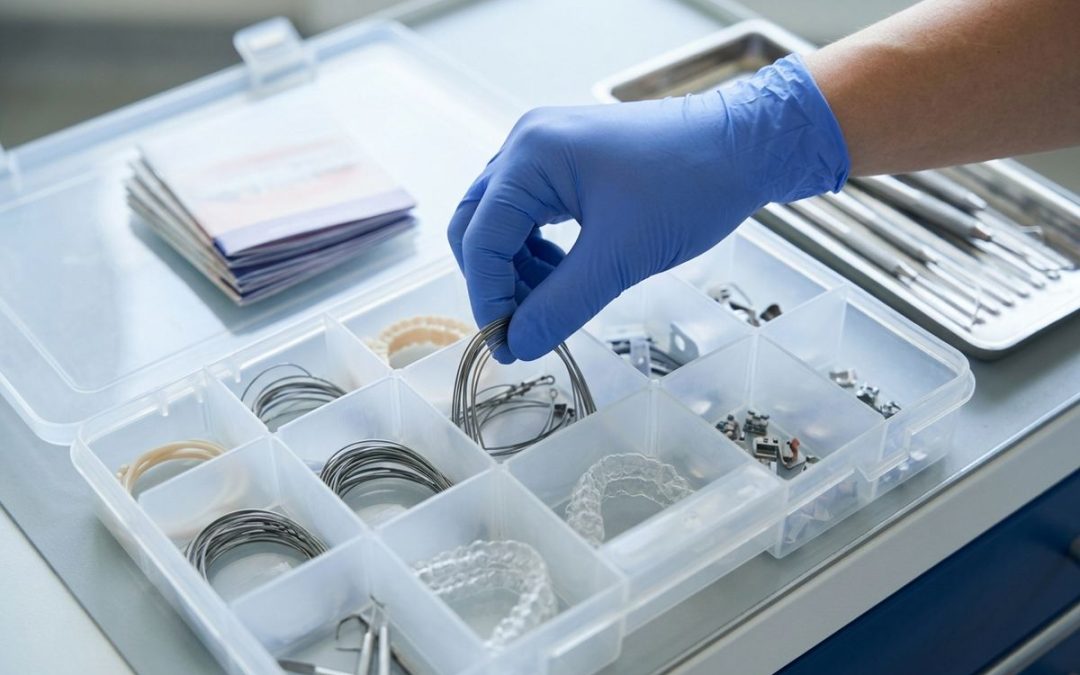
Once you have a year of experience behind you, orthodontic module training can open doors to new clinical roles. But what’s even better is that Risio graduates don’t have to wait one full year to take the Ortho Module, because they’ve been working in a dental office for the duration of the program.
Expanding your scope of practice through dental aide certification in Canada means you’re more versatile in a clinic setting. That versatility often translates to more opportunities and a broader range of day-to-day work. You can also explore what orthodontic treatments look like from a clinical perspective to better understand what that specialty involves.
Career Change & Long-Term Growth
Many people who pursue a dental assistant career change come from completely different fields. Accounting, retail, teaching, no background disqualifies you. A dental assisting diploma in Canada gives you a recognised credential that holds weight with employers from coast to coast.
Risio’s “earn while you learn” model lets students work in a dental office while completing their training, applying coursework in real time and earning income before they graduate. For working parents and rural Canadians who can’t step away from their current life, this approach makes the program genuinely accessible.
Ready to start your career as a dental assistant? Risio Institute for Digital Dental Education offers an accredited dental assisting program that combines flexible online learning with hands-on clinical training in Alberta. Take our quick self-assessment to see if you’re a fit for the program, or apply now to start the next intake. If you’re still exploring, our free online dental course is a great way to get a feel for the field before committing.