
Key Takeaways
- Risio’s hybrid diploma combines online coursework with workplace learning, in-person clinical training, and a final practicum.
- You can complete much of the coursework online, but the diploma includes required dental-office employment and in-person training.
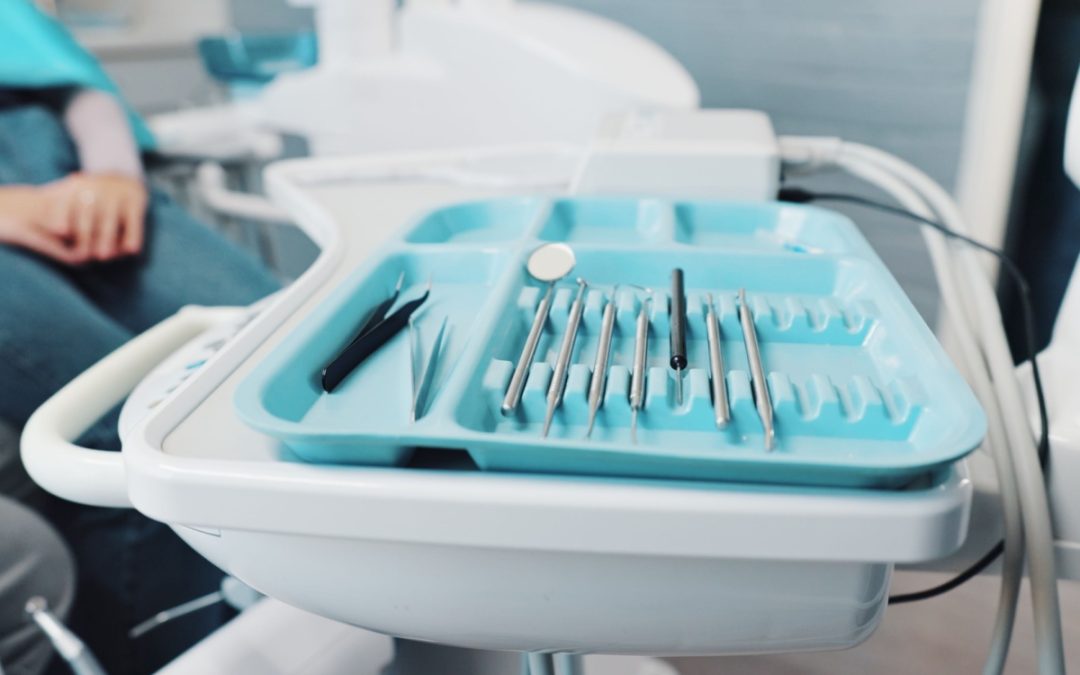
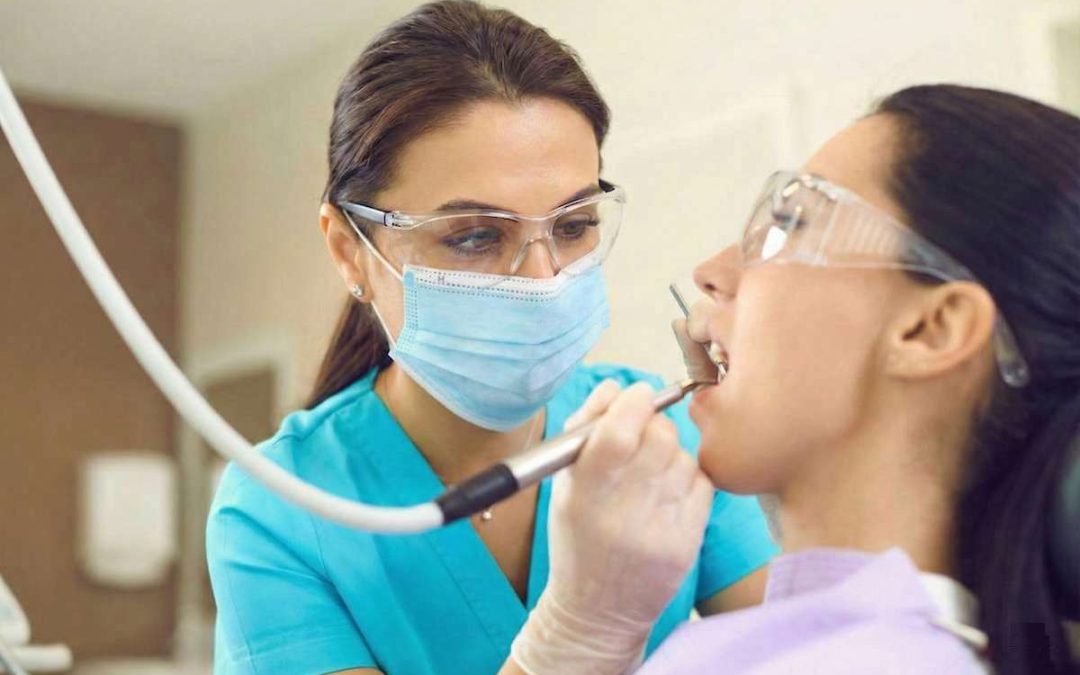
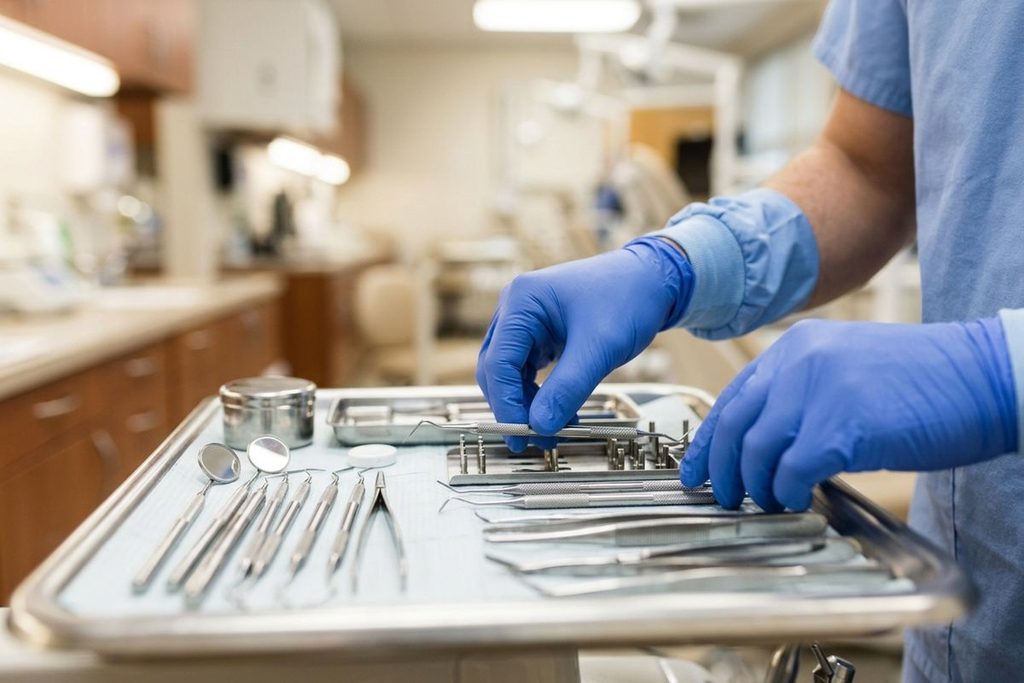
- In-person clinical training lets you practise with real dental instruments.
- The program is accredited by the Commission on Dental Accreditation of Canada (CDAC), and Risio graduates are eligible to write the NDAEB Written Examination. After meeting the requirements in the province where they plan to work, graduates can pursue licensure and perform intra-oral skills.
- The hybrid format can work for rural students, career changers, and working adults who can meet the program’s workplace and practicum requirements.
What an Online Dental Assisting Program Looks Like
You want to train for a new career, but the nearest school may feel hours away. A blended online dental assisting program from Risio Institute for Digital Dental Education can help you complete much of your coursework online while meeting the program’s workplace, in-person clinical, and practicum requirements.
Online dental assistant training combines online modules with scheduled clinical sessions, so you learn the theory online and build practical skills in person.
This distance dental education model reaches students across Canada. You can complete online coursework around your other commitments while following the program schedule and planning for required workplace learning, clinical training, and the practicum.
How Online Coursework & Clinical Training Fit Together
A dental assisting diploma in Canada combines online coursework with workplace learning in a dental practice, scheduled in-person clinical training, and a final practicum.
The Online Coursework Side
Your coursework lives online in modules that follow the program schedule. You read digital lessons, watch demonstrations, and complete assignments as you progress through each module.
Instructors are available to answer your questions and give feedback on your work, so you know what to focus on next.
The In-Person Clinical Side
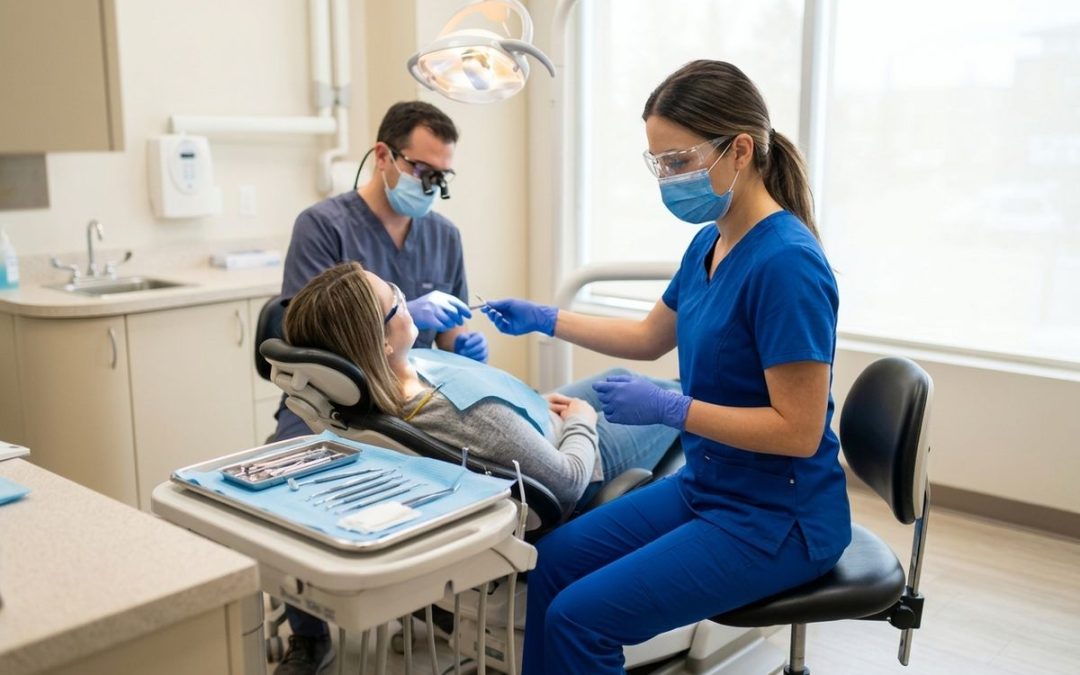
Theory only takes you so far. That’s why the clinical training for dental assisting happens in person, alongside workplace learning in a dental practice.
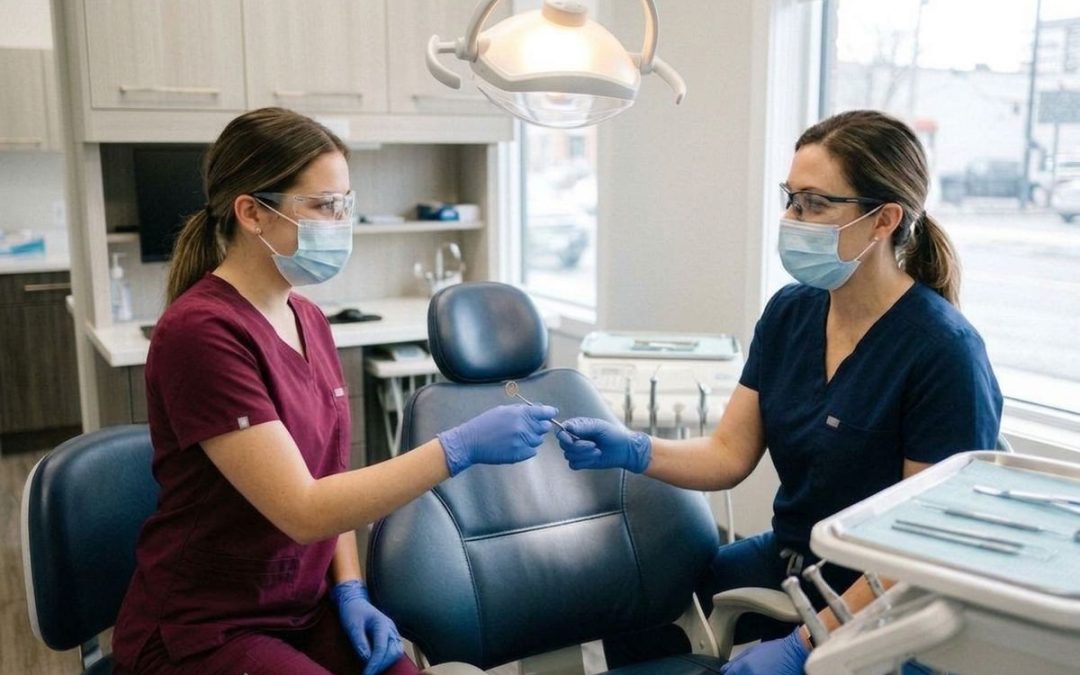
During these sessions, you work with real dental instruments and practice the skills you studied online. You get comfortable with the movements and routines you’ll use in a dental practice every day.
Accreditation & Licensing for a Dental Assisting Diploma in Canada
Accreditation matters when you choose a program. The Dental Assistant Distance Delivery Diploma Program in Alberta is accredited by the Commission on Dental Accreditation of Canada and licensed through Alberta Advanced Education.
That accreditation can support the education side of provincial licensing, but each province sets its own requirements for who can work as a dental assistant. Review the certification and registration steps for the province where you plan to work.
Recognized training can help you build a strong foundation for a dental assistant career, but the requirements do not end with coursework alone.
Who Distance Dental Education Works Best For
The hybrid model can suit people in different situations, as long as they can meet the program’s workplace, clinical, and practicum commitments.
Students in Rural & Remote Areas
Living far from a campus used to mean giving up on dental education. Now you can study without needing to relocate.
You access the program from your own community, keeping your home, your support network, and your routine. You still need to plan for required dental-office employment, in-person clinical training, and the practicum.
Career Changers & Working Adults
Maybe you’re ready for a dental assistant career change but can’t quit your job to go back to school. Online coursework can let you continue working while you train, alongside the program’s required workplace, clinical, and practicum commitments.
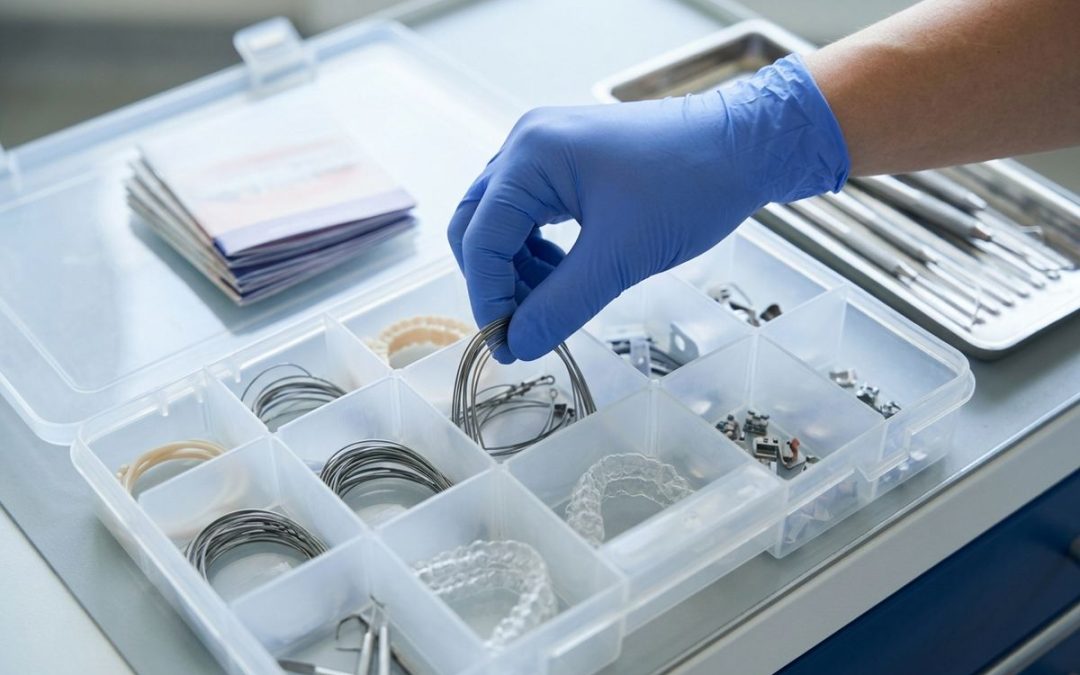
If you are a licensed or registered dental assistant or dental hygienist with a valid practice permit and at least one year of clinical experience, orthodontic module training can support further skills development. This is a separate advanced option, not a starting point for people new to dental assisting.
How to Start Your Path as a Dental Assistant
Getting started means checking the requirements, arranging the required dental-office employment and sponsoring dentist, completing the online coursework, and planning for in-person clinical training and the practicum.
- Review the program requirements and confirm that the workplace component fits your plans.
- Complete the online coursework according to the program schedule.
- Attend the scheduled in-person clinical training and complete the final practicum.
Each part builds on the last, and the combination of online coursework, workplace learning, clinical training, and practicum gives you theoretical knowledge and practical experience.
At Risio Institute for Digital Dental Education, the hybrid model combines online coursework with practical learning in a dental office. If you’re ready to learn how the distance delivery programs can fit your plans, reach out today.