
You’ve probably watched a dental assistant work seamlessly alongside the dentist during your appointments, wondering what it takes to do their job. They seem to anticipate every need, comfort nervous patients, and handle everything from X-rays to scheduling with ease.
Dental assistants need a combination of technical skills, patient care abilities, administrative knowledge, and safety training to succeed in this rewarding healthcare career. The good news is that you can develop all these skills through proper training at Risio Institute for Digital Dental Education, even if you’re starting with no dental experience, through our comprehensive dental assistant program.
Core Technical Skills for Dental Assisting Success
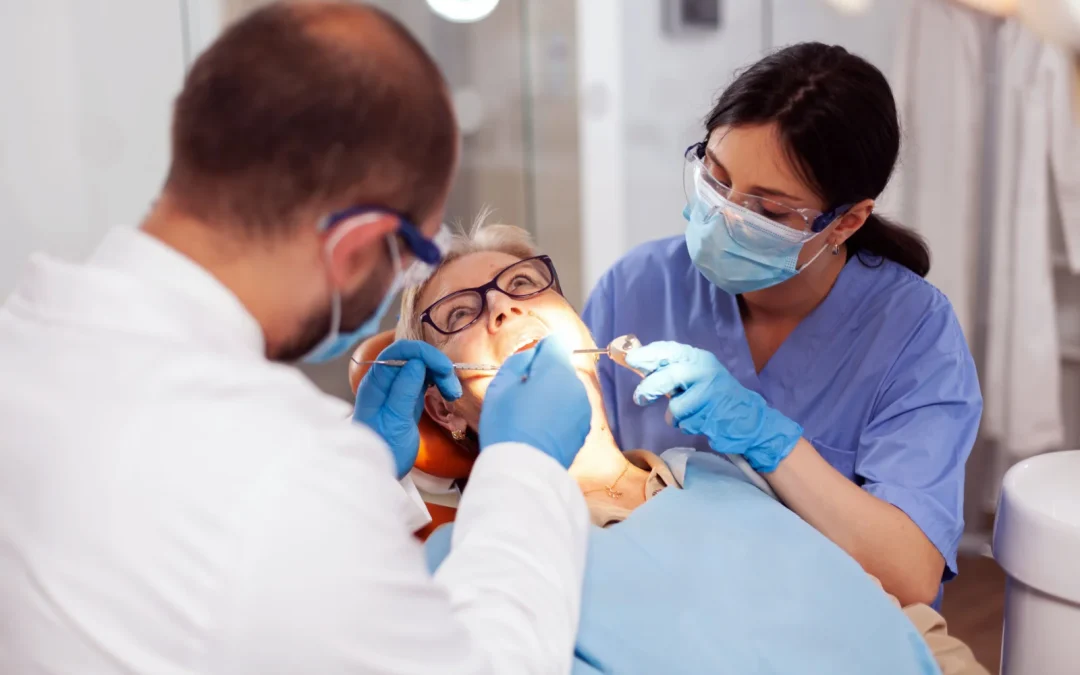
Your hands become your most valuable tools as a dental assistant. You’ll position patients comfortably in the dental chair, adjust headrests, and help them feel secure throughout their treatment. This positioning work prevents patient discomfort and gives the dentist clear access to work effectively.
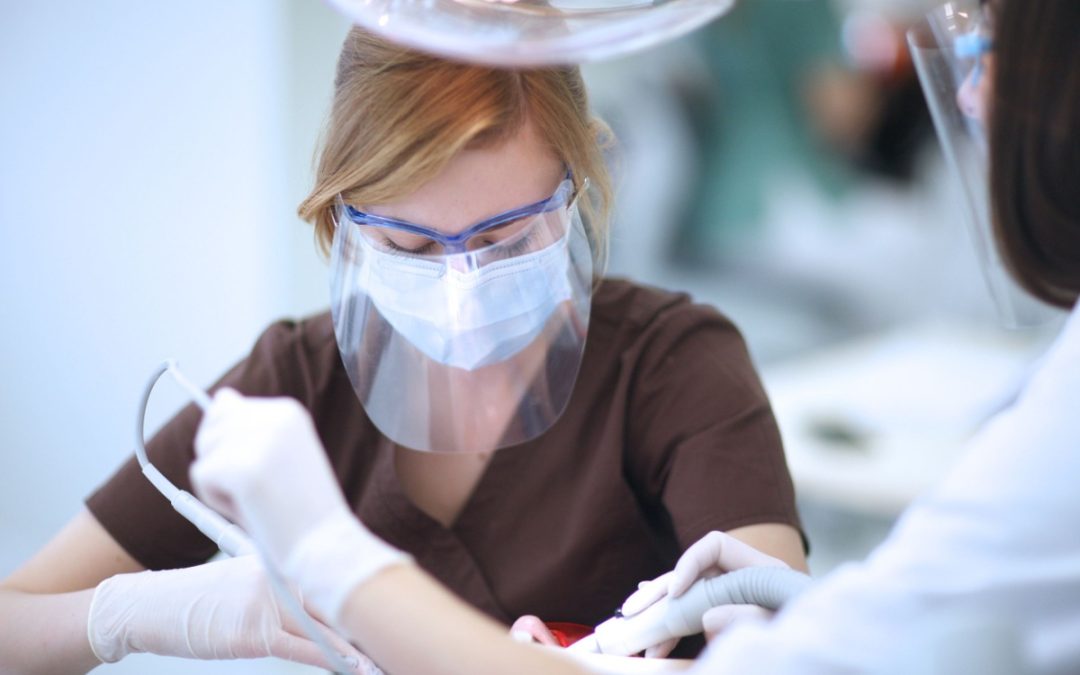
You’ll also master the art of chairside assistance, anticipating which instruments the dentist needs before they ask. Picture yourself smoothly passing the right instruments at the exact moment it’s needed—this coordination helps make procedures faster and less stressful for everyone involved.
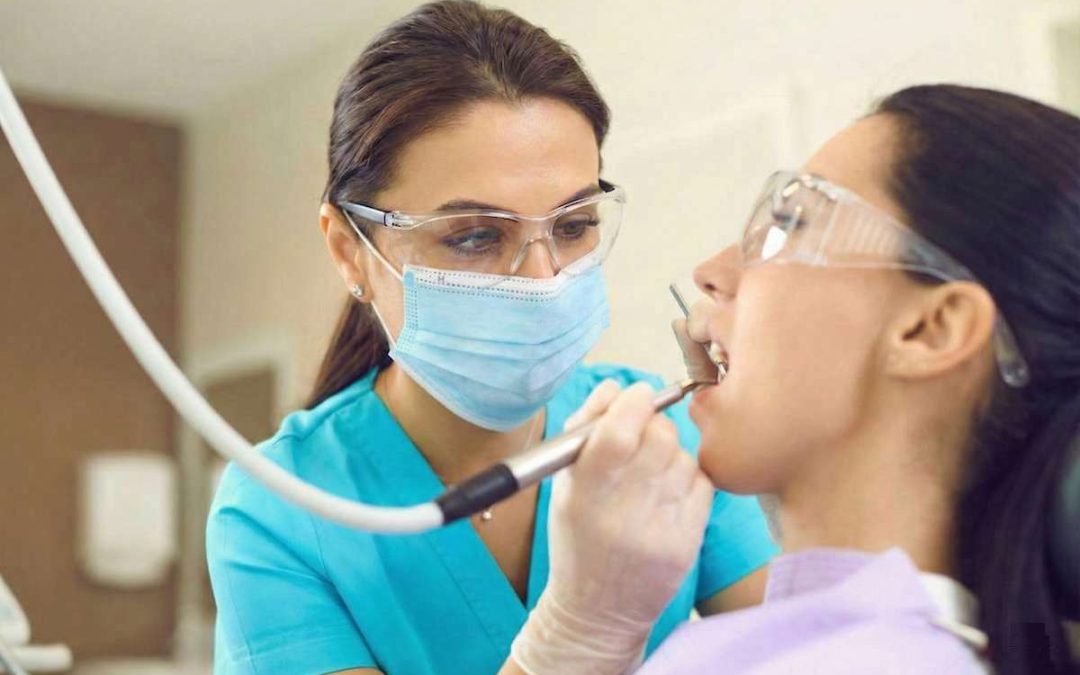
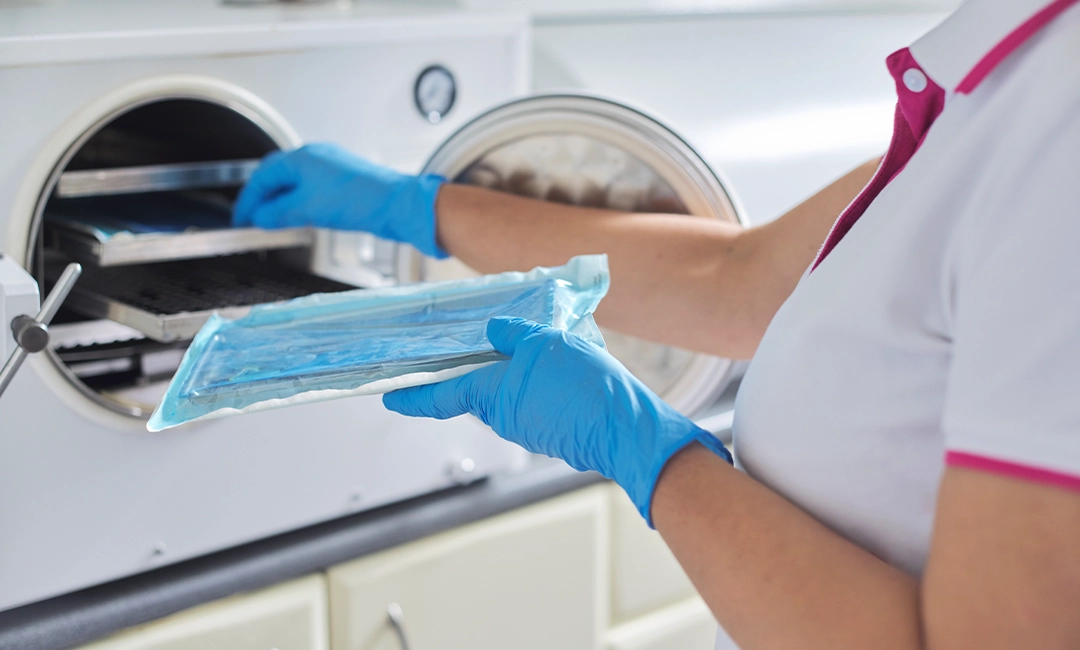
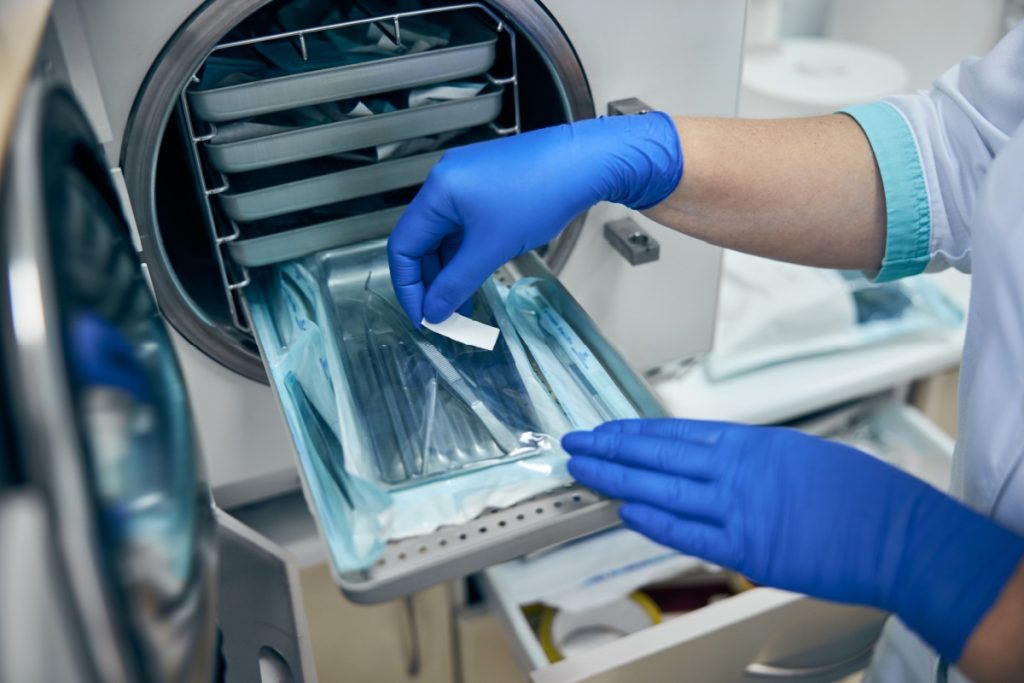
Instrument sterilization becomes second nature as you learn to properly clean, disinfect, and store dental instruments. You’ll operate X-ray equipment safely, following strict radiation safety protocols that protect both you and patients. These technical foundations form the backbone of quality dental care.
Patient Care & Communication Abilities
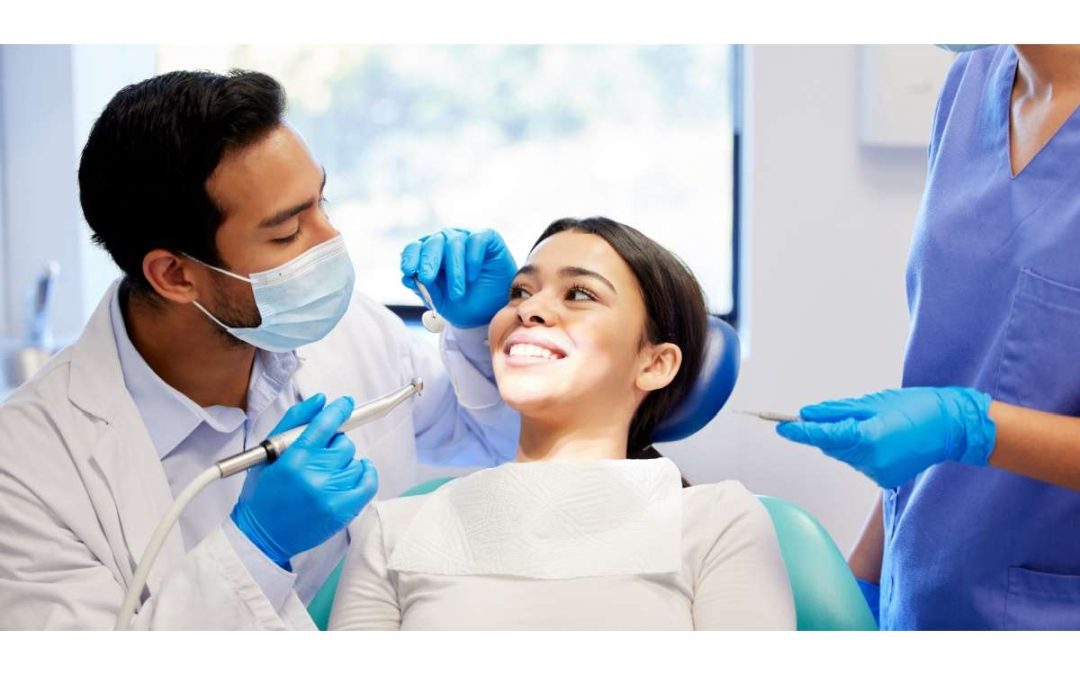
Your calm voice and reassuring presence can transform a patient’s dental experience. Many people feel anxious about dental visits, and you’ll become skilled at recognizing signs of nervousness and responding with empathy and understanding.
You’ll explain procedures in simple terms that patients can understand, helping them feel informed rather than worried. After treatments, you’ll provide clear aftercare instructions that help patients heal properly and maintain their oral health at home.
Your phone skills become important for building relationships with patients and managing the practice efficiently. You’ll schedule appointments, answer questions about treatments, and coordinate with insurance companies to help patients understand their coverage options.
Administrative & Office Management Skills
Digital charting systems become your daily workspace as you document patient information, treatment notes, and medical histories. Accurate record-keeping supports continuity of care and enables the dental team to track each patient’s progress over time.
You’ll navigate insurance claim processing and billing procedures that help patients maximize their benefits. This knowledge lets you explain costs upfront and work with families to create payment plans that fit their budgets.
Appointment coordination keeps the practice running smoothly. You’ll schedule routine cleanings, urgent visits, and complex treatments while balancing the dentist’s availability with patient preferences and treatment priorities.
Infection Control & Safety Knowledge
IPAC guidelines and cross-contamination prevention protocols become part of your daily routine. You’ll understand exactly how infections spread and implement procedures that keep patients and staff safe during every appointment.
Chemical handling requires careful attention to safety data sheets and proper storage procedures. You’ll work with disinfectants, impression materials, and other substances that require specific handling techniques to prevent accidents or exposure.
Emergency response training and CPR certification prepare you for unexpected situations. Whether a patient experiences an allergic reaction or medical emergency, you’ll know exactly how to respond quickly and effectively while the dentist provides care with proper emergency protocols.
How to Develop These Skills Through Training
Your Canadian dental assisting diploma program begins with foundational knowledge you can study from anywhere. You’ll learn dental anatomy, tooth numbering systems, and professional terminology that forms the language of dentistry. Online learning components provide the flexibility you need while covering infection control theory and safety regulations.
Real patient interactions during clinical training dental assisting days give you confidence and practical experience. You’ll practice communication skills with actual patients who have different needs, concerns, and comfort levels. Equipment operation becomes familiar through repeated practice in clinical settings.
Emergency situation response training puts your theoretical knowledge into practice. You’ll participate in mock emergencies and learn to stay calm while following proper protocols that could save lives. These skills combine to create rewarding dental assistant career change opportunities for people from all backgrounds.
Start Your Dental Assistant Training Today
With proper training through dental education programs in Canada, you can build these abilities and start your new career path. Risio Institute for Digital Dental Education offers an accredited program that helps you develop these exact skills through flexible online learning combined with hands-on clinical training, making dental education accessible no matter where you live across Canada.
Contact us to learn more or apply today.