
You see them in every dental office, working quietly behind the scenes to keep your appointments running smoothly. They hand instruments to your dentist, take your X-rays, and often provide the reassuring smile that helps you feel comfortable during procedures. Yet many people don’t fully understand what dental assistants actually do or how they become qualified for this important healthcare role.
A dental assistant is a trained healthcare professional who supports dentists and dental hygienists by providing chair-side assistance, managing patient care, handling administrative tasks, and maintaining clinical equipment and environments.
In Canada, dental assistants play a vital role in making dental care accessible and efficient, with clear educational pathways and strong career prospects across the country. Risio Institute for Digital Dental Education offers comprehensive programs that prepare you for this rewarding career through customized office training and hands-on experience.
What Does a Dental Assistant Do?
Your dental assistant handles a wide range of responsibilities that keep your dental appointment running smoothly. During procedures, they work directly alongside your dentist, passing instruments, managing saliva evacuation, and helping position you comfortably in the chair.
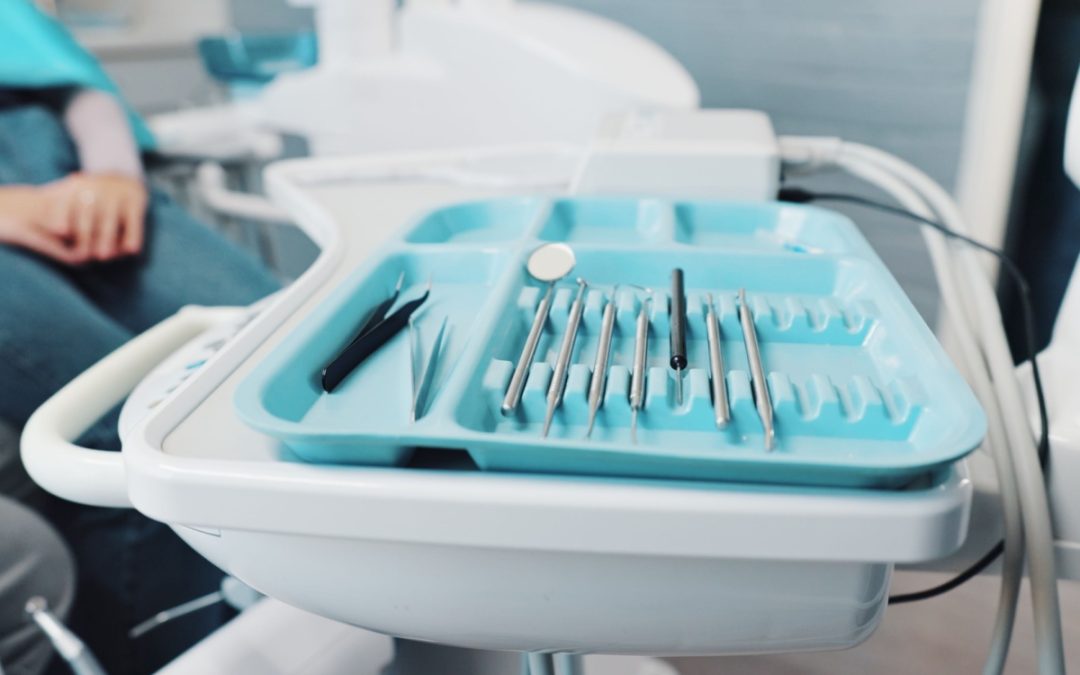
Between patient visits, dental assistants sterilize instruments and maintain infection control protocols that keep everyone safe. They also take X-rays, make impressions of your teeth, and prepare materials that dentists need for various procedures.
Patient care extends beyond the treatment chair. Your dental assistant often schedules your next appointment, updates your records, and answers questions about your treatment. They serve as a communication bridge between you and the dental team.
In Canada, you’ll encounter two main levels of dental assistants. Level I assistants handle basic support tasks like sterilization and patient communication. Level II assistants can perform expanded duties such as taking X-rays, applying fluoride treatments, and placing certain dental materials, responsibilities that require additional training and certification.
Educational Pathways in Canada
Canada offers several pathways for entering the dental assisting field, each designed to meet different career goals and life circumstances. You can start with dental aide certification programs that provide basic training for entry-level positions, or pursue a comprehensive dental assisting diploma for expanded career opportunities.
Accredited programs approved by the Commission on Dental Accreditation of Canada make sure you receive education that meets national standards. This accreditation matters because it qualifies you for provincial registration and gives employers confidence in your training.
Modern online dental assisting program options have transformed how you can access this education. Distance dental education in Canada now allows you to complete coursework from anywhere in the country, making career change opportunities possible without relocating your family or leaving your current job.
Clinical training dental assisting components combine with online modules to give you hands-on experience with real patients and equipment. Programs like those offered by institutions such as Risio require limited in-person attendance while maintaining full accreditation standards.
You can complete most coursework online, then attend short, intensive clinical sessions to practice your skills under professional supervision.

Certification & Registration Requirements
Each Canadian province sets its own requirements for dental assistant registration, but most follow similar patterns. After completing an accredited program, you need to pass the NDAEB examination (national exam) and maintain active registration to work legally as a dental assistant.
The Registered Dental Assistant (RDA) designation gives you credibility with employers and patients. It shows you’ve met educational standards and passed competency evaluations that demonstrate your ability to work safely in clinical settings.
Continuing education keeps your registration current and your skills sharp. Most provinces require you to complete specific hours of professional development each year. Specialized training in areas like orthodontic module training can expand your career options and increase your value to employers.
Career Outlook & Opportunities
Canada’s aging population and increased focus on preventive dental care create strong demand for qualified dental assistants. You’ll find opportunities in general dental practices, specialty clinics, hospitals, and public health settings across the country.
Rural and remote communities often offer good opportunities for new graduates. These areas sometimes provide higher starting salaries, signing bonuses, or assistance with relocation expenses to attract qualified professionals.
Salary expectations vary by location and experience level, but dental assistants in Canada typically earn competitive wages with good benefits. Many positions offer regular hours, paid vacation, and health coverage that make this career attractive for work-life balance.
Career advancement can take several directions. You might specialize in areas like orthodontics, oral surgery, or pediatric dentistry. Some dental assistants pursue additional education to become dental hygienists or practice management coordinators.
How to Start Your Dental Assistant Career
Your path to becoming a dental assistant starts with choosing the right educational program for your situation. Consider your current work schedule, family commitments, and career timeline when evaluating options. Learn more about education requirements and certification to make informed decisions about your training.
Distance learning programs make a dental assistant career change possible even if you live far from traditional campuses or can’t attend classes during regular business hours. You can maintain your current income while completing your education, then transition into your new role as a dental assistant when you are finished.
Research programs carefully to ensure they offer proper accreditation, adequate clinical training, and strong job placement support. Consider exploring strategies for securing your first position to prepare for your job search early.
Dental assisting offers a rewarding healthcare career with strong job security, competitive compensation, and the satisfaction of helping patients maintain their oral health. Modern educational options make this career accessible regardless of where you live in Canada.
Ready to Begin Your Dental Assistant Journey?
If you’re ready to explore dental assisting education options, Risio Institute for Digital Dental Education offers accredited programs designed for working adults and people in remote areas across Canada.
With a blend of online learning and hands-on clinical training, Risio makes it possible to earn your dental assistant credentials without putting your life on hold. Our program is accredited by the Commission on Dental Accreditation of Canada and licensed through Alberta Advanced Education and Ontario Career Colleges.
Visit our programs page to learn more about our flexible learning options, or try our free introductory course to see if dental assisting is the right career path for you.