Summary of Key Points
- Communication skills are a vital aspect of a dental assistant’s role. Effective communication helps you alleviate patient anxiety, improve teamwork within the practice, educate patients, and handle constructive criticism.
- To alleviate patient anxiety, dental assistants need empathy and active listening skills. These skills can help patients feel heard and understood, build trust, and reduce fear by clearly explaining procedures.
- Clear, concise language and offering constructive feedback are essential for improving cooperation among team members. Regular check-ins and proactive communication can preempt potential issues and foster an environment of continuous improvement.
- Dental assistants must also educate patients about best practices for oral hygiene. Explanation and persuasion skills can empower patients to maintain their oral health, improve adherence to dental hygiene practices, and motivate patients to make healthier lifestyle choices.
- Handling complaints and feedback requires open-mindedness and responsiveness. The ability to accept (as well as provide) constructive feedback often leads to better patient care.
- Successful dental assistants are active listeners, straightforward communicators, patient advocates, and open-minded individuals who continuously seek improvement. Training programs like Risio’s Dental Assistant Distance Diploma Program help develop these essential hard and soft skills.
Being a dental assistant is about more than simply cleaning and polishing teeth—a critical aspect of the role is also your ability to successfully communicate with patients and other members of your practice. Knowing what to say or how to reach someone during a potentially difficult moment can prevent or resolve countless issues for your practice, making you an even more valuable member of your team.
Below, our experienced professionals at Risio show you why communication skills for dental assistants are so important and provide examples of when they can come in handy. Use what you learn here to start developing your soft skills, and find out how to take them further with our Dental Assistant Distance Diploma Program.
Resolving Patient Anxiety
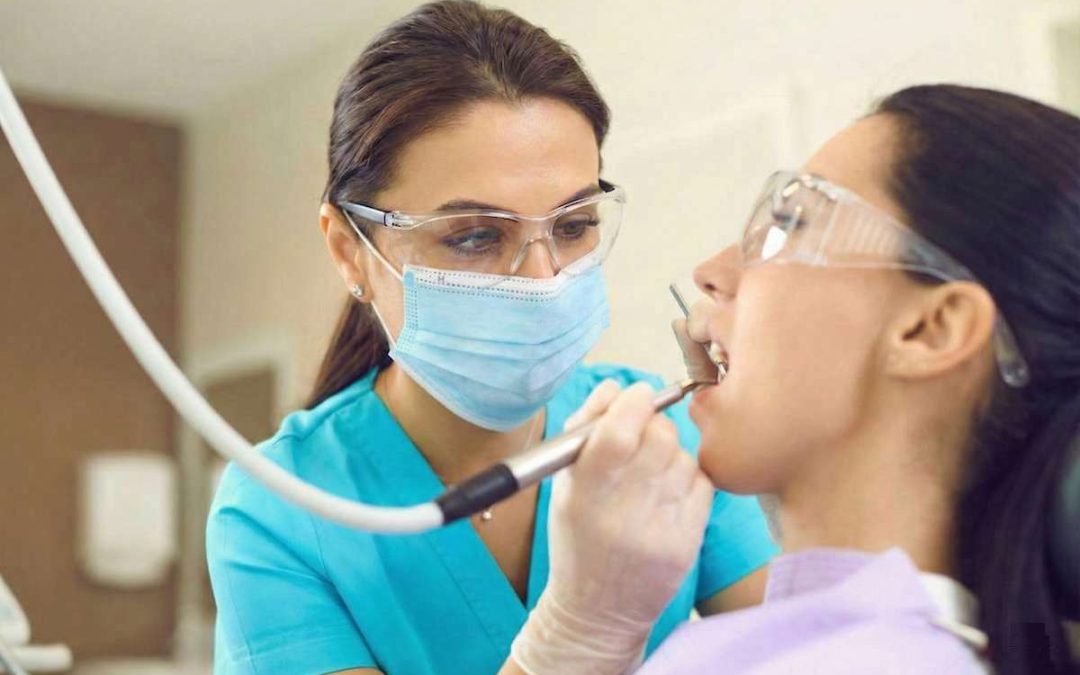
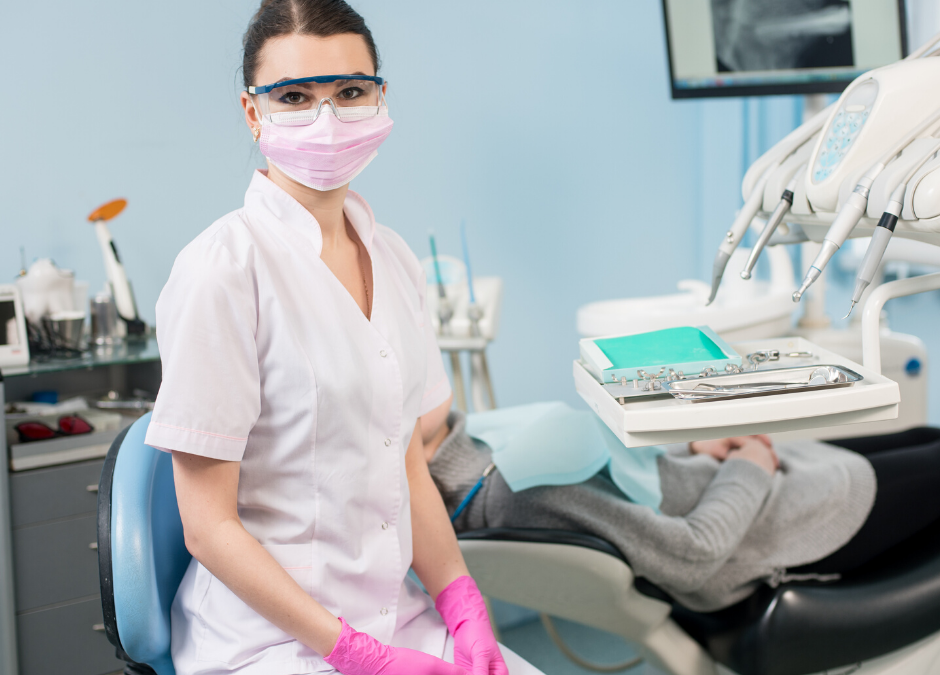
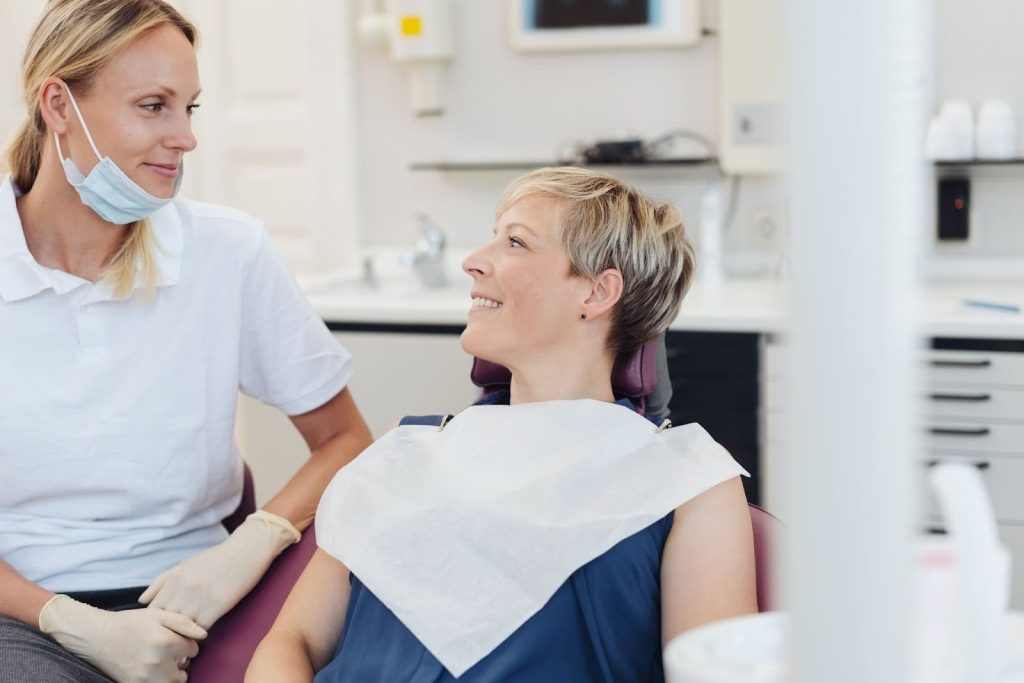
Many patients may experience anxiety or fear when visiting the dental office—approximately 1 in 10 people admit to being afraid of dental appointments! As a dental assistant, you’re often the first person they interact with, which makes you a vital part of helping alleviate these fears.
Communication skills needed: Empathy and active listening.
How these skills help:
- Actively listening to patients’ concerns can make them feel heard and understood.
- Expressing empathy can help to build trust and put patients at ease.
- Offering reassurances and clearly explaining procedures can help demystify the process and lessen fear by providing patients with a greater sense of agency.

Improving Cooperation Among Team Members
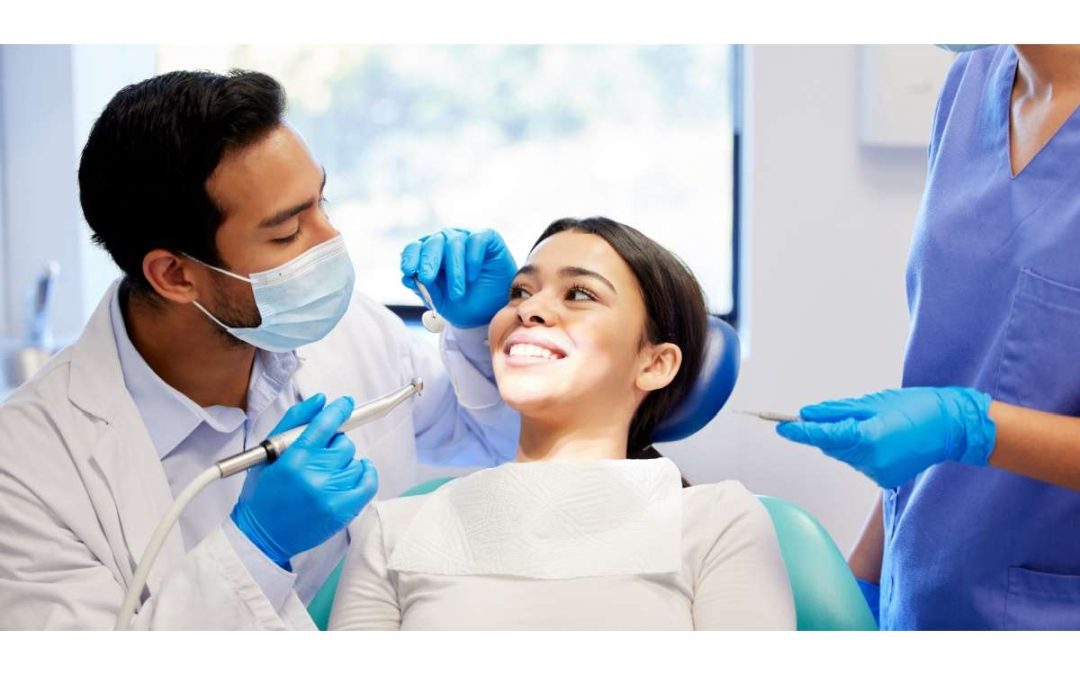
Teamwork is crucial in any healthcare setting. As a dental assistant, you’ll interact with different team members, including dentists, hygienists, and administrative staff on a daily basis.
To keep your practice running smoothly and efficiently, it’s vital that you know how to speak effectively to these different personalities and communicate your needs to them while anticipating and acknowledging theirs. Learning how to make your points clearly but constructively will help you avoid misunderstandings and conflicts that could otherwise hold back daily operations and impact patient experience.
Communication skills needed: Clear, concise language and constructive feedback.
How these skills help:
- Speaking in clear language everyone can understand ensures all team members are clear on their responsibilities.
- Constructive feedback fosters an environment of continuous improvement.
- Checking in regularly with your team and keeping communication channels open can help preempt potential issues.

Educating Patients
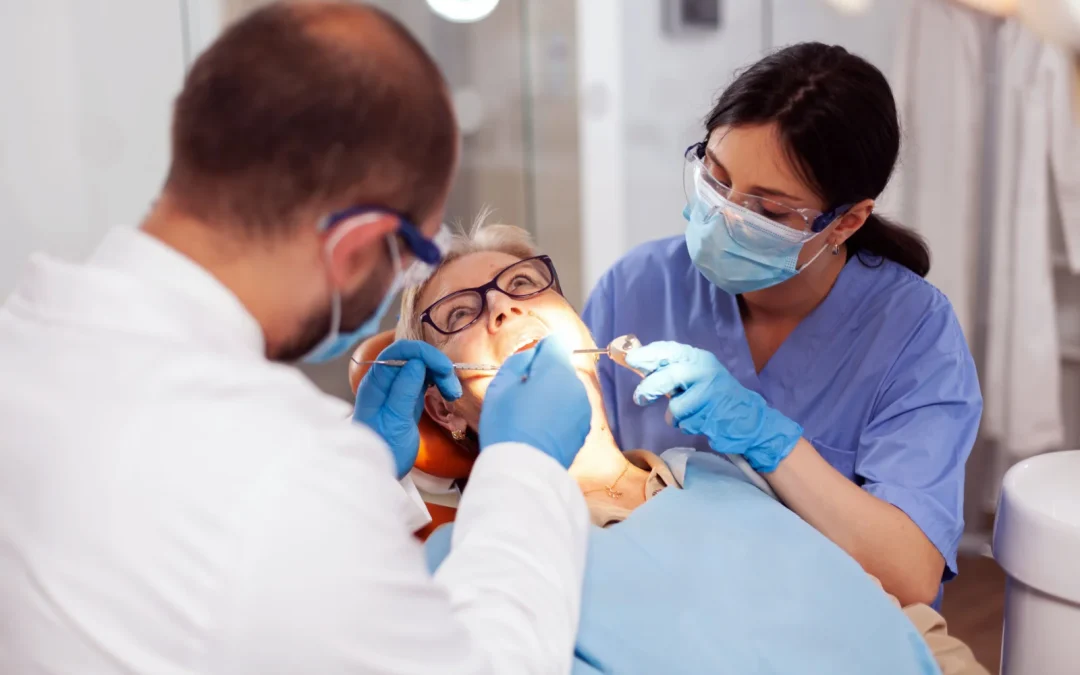
Education is a vital part of a dental assistant’s role. By explaining best practices for oral hygiene, you can help patients maintain their oral health, preventing future dental issues and contributing to long-term patient satisfaction after they visit your practice.
Remember: most patients don’t have the specialized knowledge that you and the other members of your practice have. By clearly explaining critical information to them, you can help them understand the importance of the work they’re coming in for and convince them to follow recommendations from you or their dentist.
Communication skills needed: Explanation and persuasion.
How these skills help:
- Providing clear explanations about oral hygiene practices empowers patients to maintain their oral health.
- Demonstrating the correct technique for brushing and flossing improves patient adherence to these practices.
- Persuasion skills can help motivate patients to follow recommendations by the practice and make healthier lifestyle choices that improve their oral health.

Handling Complaints and Feedback
Constructive criticism from patients or colleagues can be challenging to handle—but it can also be incredibly valuable for your personal and professional growth. Learning how to recognize constructive feedback and accept it while setting healthy boundaries to screen out unhelpful comments can be a difficult balancing act, but it’s something every dental assistant should learn in order to keep developing their skills.
Communication skills needed: Open-mindedness and responsiveness.
How these skills help:
- Responding positively to criticism shows professionalism and a willingness to improve.
- Implementing changes based on feedback can lead to better patient care and a more harmonious workplace.
- Regularly asking for feedback can help identify areas for improvement and show that you value others’ opinions.
Building a Communication Style that Enhances & Advances Your Dental Assisting Career
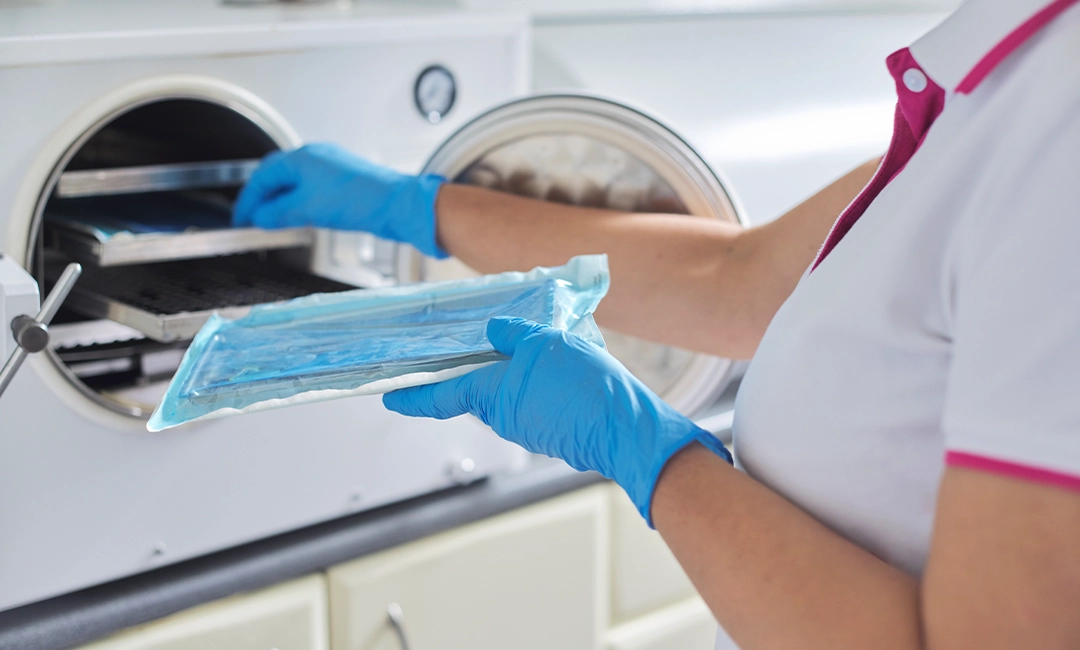
Incredible dental assistants do more than prepare exam rooms, sterilize instruments, and support dentists during procedures. They’re also active listeners, straightforward speakers, active participants in their patients’ oral health, and open-minded individuals who accept feedback in order to keep delivering the best possible experience for everyone at their practice.
Having a supportive environment where you can hone your communication skills is an incredibly valuable part of training for your career in dental assisting. To learn more about how our team can help you develop these skills , reach out to Risio and get more information about the hard and soft skills we teach in our program.