
Dental assistants are valuable members of a dental team, helping patients feel comfortable during their visits. But, you may wonder if your experience can help you take the next step and become a dental hygienist with expanded responsibilities and higher earning potential.
Yes! You can transition from dental assistant to dental hygienist by completing an accredited dental hygiene program, but you’ll need to meet specific educational requirements and obtain provincial licensing. In fact, your experience as a dental assistant gives you valuable advantages in this career progression.
From Dental Assistant to Dental Hygienist
For many, moving from dental assistant to dental hygienist represents a natural progression in dental healthcare careers. Many dental assistants successfully make this transition each year across Canada. The pathway involves additional education and training, but your existing knowledge provides a strong foundation.
This career advancement opens doors to increased responsibilities and compensation, and more direct patient care opportunities. You’ll move from supporting dentists to providing preventive care services independently.
What’s the Difference Between a Dental Assistant & Dental Hygienist?
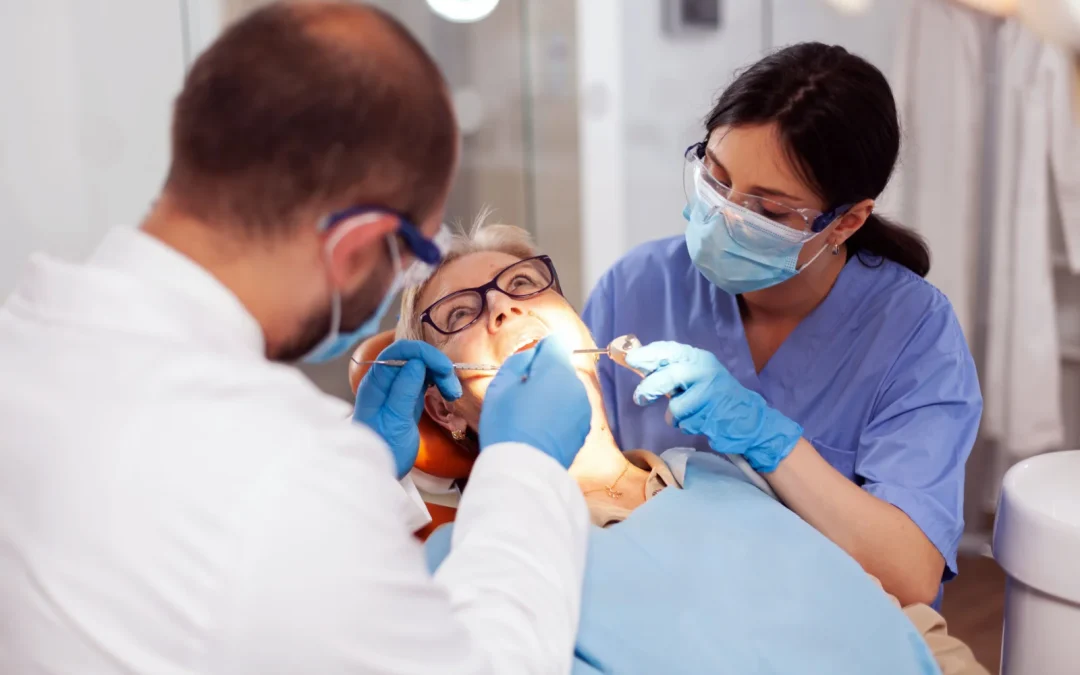
Dental assistants and dental hygienists play distinct but complementary roles within the dental team. Dental assistants are integral to patient care, chairside support, infection control, and the overall flow of the dental practice. Their work helps patients feel supported and procedures run efficiently.
Dental hygienists focus more specifically on preventive and therapeutic oral health services, including cleanings, scaling and root planing, X-rays, fluoride treatments, and patient education on long-term oral health. These responsibilities often involve a broader clinical scope and a high degree of professional autonomy.
Dental assisting programs are typically shorter and designed for efficient entry into the workforce. In contrast, dental hygiene programs require a diploma or degree with more extensive clinical training in preventive care and patient education.
Compensation varies based on education, responsibilities, experience, and location. In Canada, dental hygienists generally earn higher average wages due to their expanded scope of practice.
Educational Requirements for Dental Hygienists
Each province in Canada has specific licensing requirements for dental hygienists. Most require graduation from a program accredited by the Commission on Dental Accreditation of Canada (CDAC), along with successful completion of provincial licensing examinations and ongoing continuing education to maintain registration.
Dental hygiene programs themselves are offered through colleges and universities across Canada and combine academic coursework with extensive supervised clinical training to prepare graduates for independent patient care.
Most dental hygiene programs take 2–3 years to complete full-time. Some schools offer part-time evening or weekend options for working professionals. Clinical training includes hands-on patient care in supervised settings.
Prerequisites You Need
While different programs may have slightly different standards, the general prerequisites are often the same:
- A high school diploma with strong grades in science and math courses
- Biology and chemistry courses completed within the last 5 years.
- Grade 12 English and mathematics with minimum required grades

How Your Dental Assisting Experience Helps
Your background as a dental assistant provides significant advantages when pursuing dental hygiene education. You already understand dental office workflows, patient management, and basic oral health concepts. This knowledge helps you focus on clinical skills rather than starting from scratch.
Many dental hygiene instructors recognize the value of real-world experience. Your familiarity with dental environments and procedures can make the transition smoother and less stressful than it would be for students without healthcare backgrounds.
Dental assisting offers valuable transferable skills and experience, such as:
- You can communicate effectively with anxious patients and explain procedures clearly.
- Your knowledge of dental terminology helps you understand complex coursework faster.
- You’re already comfortable using dental instruments and equipment.
- You understand proper infection control protocols and safety procedures.
- You know how dental offices operate and can manage patient scheduling and records.
- You feel comfortable working in dental environments and aren’t intimidated by clinical settings.
- You’ve developed professional chairside manner and bedside skills.
- You’ve observed hundreds of dental procedures and understand patient care standards.
Overall, dental assisting experience provides a strong foundation to transition into specialized training with greater confidence and efficiency.
Steps to Make the Transition
Start by researching requirements in your province and identifying programs that fit your needs. Consider your work commitments when exploring options. Many dental assistants successfully complete their education while continuing to work.
Contact your provincial dental hygienist regulatory body to understand specific licensing requirements. Research accredited dental hygiene programs in your area or through distance learning options. If you’re missing any prerequisite courses, you can often fill these gaps through local education or online programs.
Collect transcripts, references, and personal statements required for applications and submit them well before deadlines, as dental hygiene programs are competitive.
Start Your Career Path with Risio
Becoming a dental assistant can be a springboard for your professional growth. Our dental assistant and aide programs at Risio Institute for Digital Dental Education supports dental professionals at the foundational stage. We offer flexible, distance-delivery education designed to fit around real-world responsibilities. Contact us to learn how our online dental assisting programs can support your long-term goals. Whether advancing your skills or getting a head start, take the next step in your dental career journey!